Wolves Return to Netherlands, Redefining Human-Wildlife Relations

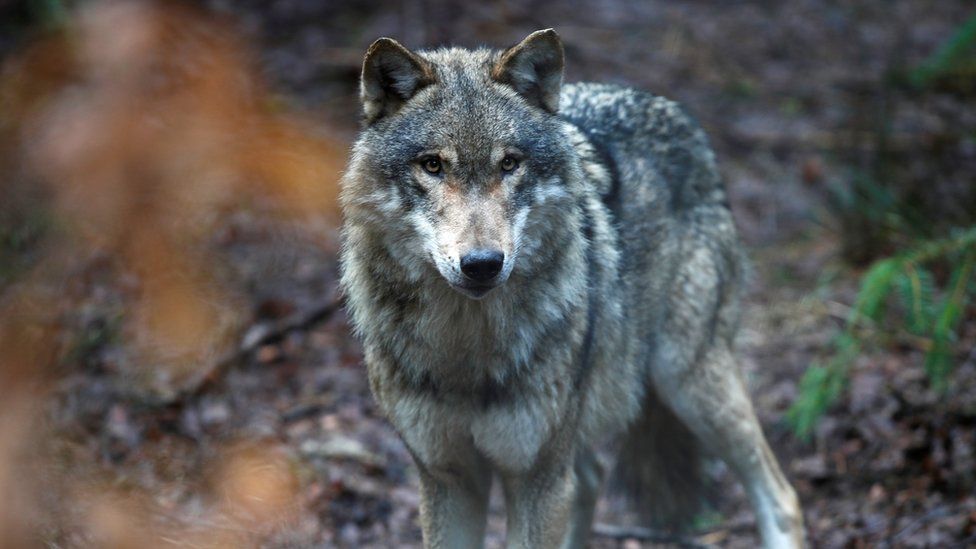
In a nation known for its meticulous land management and industrial agriculture, the return of wolves to the Netherlands has sparked a quiet revolution in human-wildlife relations. After an absence of more than 150 years, these apex predators are gradually reclaiming their place in the country’s ecosystems, challenging long-held notions of progress and control over nature.
The first confirmed wolf sighting in the Netherlands since the 19th century occurred in 2015, a moment that marked not just the return of an animal species but also the beginning of a new chapter in environmental policy and public perception. As wolves have slowly repopulated parts of Drenthe, Overijssel, and Gelderland, they’ve become both a symbol of ecological restoration and a test case for how modern societies can coexist with wild nature.
For centuries, the Netherlands has been synonymous with land reclamation and intensive farming, practices that have shaped its landscape and culture. The arrival of wolves is a stark reminder that even in one of Europe’s most densely populated countries, wilderness can still thrive—if given the chance. These animals are not merely a conservation success; they’re forcing a rethink about what it means to live alongside wild creatures in an increasingly urbanized world.
A New Era of Coexistence
The wolf’s return has been both celebrated and contentious. Conservationists argue that wolves are crucial for maintaining ecosystem balance, as their presence helps control deer populations that might otherwise overgraze sensitive areas. Farmers, however, often view them as threats to livelihoods, with some reporting losses of sheep and cattle. This tension reflects a broader struggle across Europe: how to reconcile the needs of agriculture with the rights of wild animals.
To bridge this divide, the Dutch government has implemented innovative policies that balance protection for wolves with support for farmers. Compensation schemes are in place for livestock lost to wolf attacks, and early warning systems using GPS tracking collars have been deployed to help farmers protect their herds. These measures aim not just to mitigate conflict but also to foster a new understanding of shared responsibility between humans and wildlife.
The Role of Technology
Technology has played a pivotal role in this unfolding drama. Conservationists rely on advanced tracking devices to monitor wolf movements, ensuring that these animals can be managed without disturbing their natural behavior. At the same time, social media and citizen science platforms have created new avenues for public engagement, allowing people to follow the wolves’ progress and contribute to conservation efforts.
But as we’ve seen elsewhere, technology can also be a double-edged sword. In some regions, calls for wolf culls have been amplified by online forums, reflecting deeper anxieties about wild nature’s place in modern society. The challenge now is to use technology not just to control wildlife but to foster empathy and cooperation between different stakeholders.
A Global Lesson
The Netherlands’ experience with wolves offers valuable insights for other countries grappling with similar challenges. In India, for example, conflicts between villagers and tiger populations have long been a flashpoint, while in South Africa, the reintroduction of large predators like lions has often pitted conservationists against landowners. The Dutch approach—combining scientific research, policy innovation, and community engagement—provides a model for resolving these tensions.
Looking Ahead
As wolves continue to establish themselves in the Netherlands, they’re not just restoring an ecological niche; they’re redefining what it means to live in harmony with nature. This shift isn’t without its challenges, but it holds lessons for anyone willing to listen: that progress doesn’t mean erasing wildness but finding ways to live alongside it.
In a world increasingly defined by climate crises and biodiversity loss, the return of wolves to the Netherlands is a reminder that even the most engineered landscapes can still surprise us—with the potential for renewal and transformation. It’s a story not just about animals but about humanity’s capacity to evolve, to see old problems in new ways, and to build a future where both people and wildlife can thrive.
About the Author:
Aisha Khan is Tech and Human Rights Correspondent at our publication. Aisha brings a unique perspective to tech and human rights, having worked at the intersection of technology and social justice. Her reporting highlights how digital advancements affect global populations.