Cardinal Revives Hope for Rome’s Occupied Residents
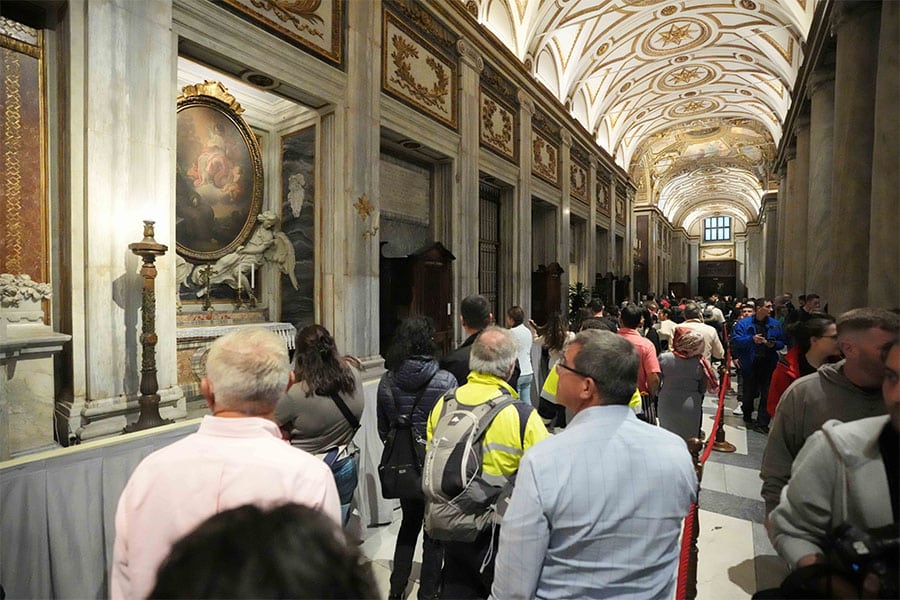
The sun sets over Rome, casting a golden glow on the ancient city’s iconic skyline. Among the centuries-old buildings and bustling piazzas lies a hidden crisis: thousands of residents living in occupied housing, struggling to stay afloat as rising costs and political neglect push them to the edge. But lately, a unexpected figure has emerged, offering hope to those on the margins.
In the heart of Rome, Cardinal Crescenzio Sabetti has become a beacon of light for the city’s most vulnerable populations. Known for his unwavering commitment to social justice, the cardinal has been visiting occupied buildings across the capital, listening to the stories of those who have lost their homes and advocating for systemic change.
The housing crisis in Rome is not new, but it has reached a breaking point. According to recent reports, over 10,000 families are currently living in precarious conditions, many occupying abandoned or underutilized buildings. These individuals, often migrants or low-income workers, face constant threats of eviction as property developers and investors push for higher profits. The government’s response has been slow and ineffective, leaving thousands to fend for themselves.
Enter Cardinal Sabetti. A man of faith and a fierce advocate for human rights, the cardinal has made it his mission to support Rome’s occupied residents. His visits to these buildings have not only brought hope but also a sense of solidarity—a reminder that someone is willing to stand with them in their time of need.
One evening, I accompanied Cardinal Sabetti as he visited an occupied building in Rome’s San Lorenzo district. The air was thick with tension as we approached the entrance, guarded by a small group of residents determined to protect their home. Inside, we found a mix of fear and determination. Many had been living there for years, raising families and building lives despite the uncertainty.
One resident, a single mother named Maria, shared her story. “We’re not asking for anything special,” she said, her voice trembling with emotion. “We just want a safe place to live, where our children can grow up without fear of being homeless.” Her words hung heavy in the air, a stark reminder of the human cost of this crisis.
The cardinal listened intently, nodding as Maria spoke. When she finished, he offered a simple yet powerful statement: “You are not alone. The church stands with you, and together, we will fight for justice.”
Such acts of solidarity may seem small in the grand scheme of things, but they mean everything to those who feel abandoned by society. Cardinal Sabetti’s visits have sparked a movement of sorts, inspiring other religious leaders and community organizations to join the cause. The occupy Rome movement is no longer just a struggle against displacement—it has become a symbol of resistance and hope.
But challenges remain. The political landscape in Italy continues to shift, with far-right groups gaining traction and advocating for stricter migration policies. This threatens not only the housing rights of migrants but also the broader fight for social justice. Cardinal Sabetti faces his own share of criticism, with some accusing him of overstepping the boundaries of his role as a religious leader.
Yet, he remains undeterred. “The church’s mission is to serve the people,” he says firmly. “If that means speaking out against injustice and standing up for those who cannot stand up for themselves, then so be it.”
As I left the building that evening, I couldn’t help but feel a glimmer of hope in an otherwise dire situation. Cardinal Sabetti’s work is a testament to the power of faith, empathy, and determination. It reminds us that even in the face of overwhelming odds, there is always room for change—and that hope can be a powerful force for transformation.
For now, the occupy Rome movement continues to grow, with residents, activists, and supporters working together to demand their right to housing and dignity. And at its heart is Cardinal Sabetti, a man who has become more than just a religious figure—he’s a symbol of resilience in a world that often seems to forget its most vulnerable.
About the Author:
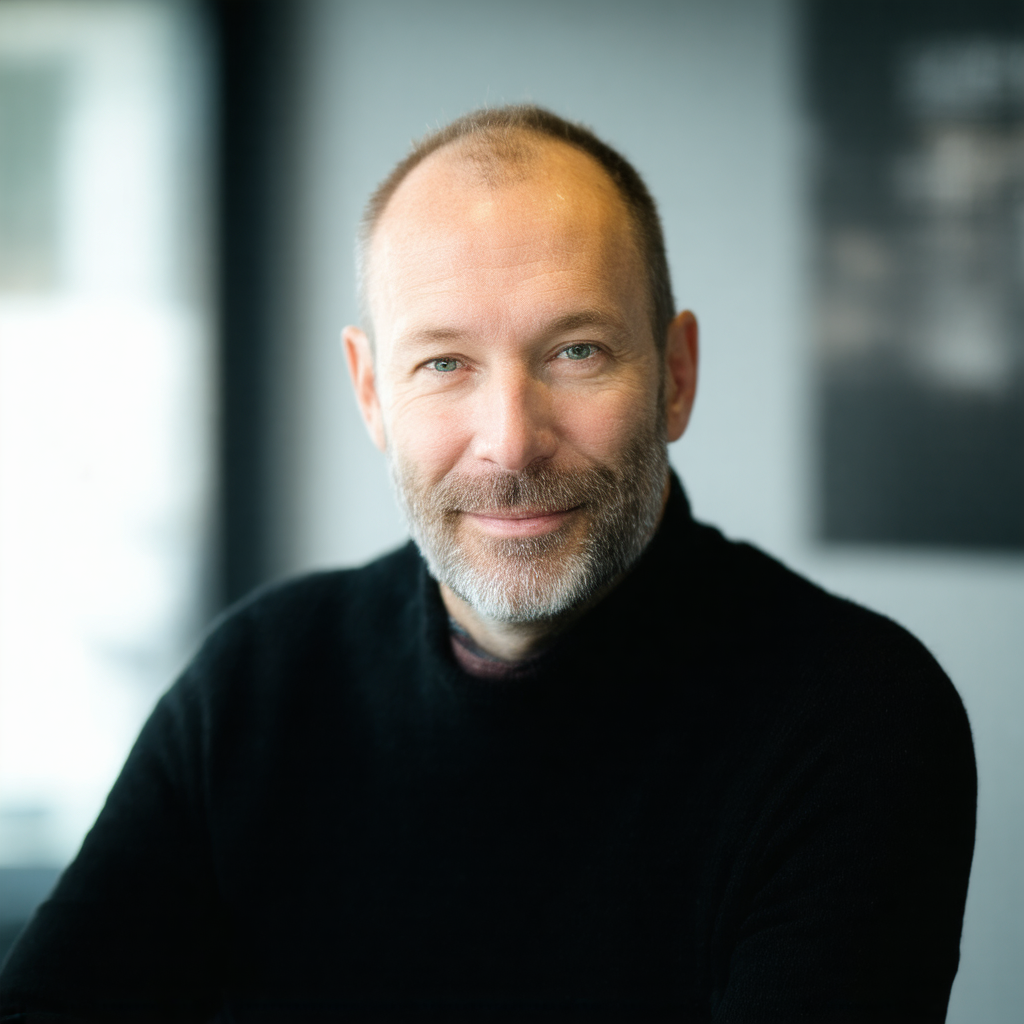
Peter Freiberger is Investigative Reporter at our publication. Jamal is an investigative reporter with a focus on social justice and human rights. His work has exposed systemic inequalities in over 20 countries, earning him recognition for his courageous reporting.