Tanker Crews in Peril as US-Iran Conflict Intensifies

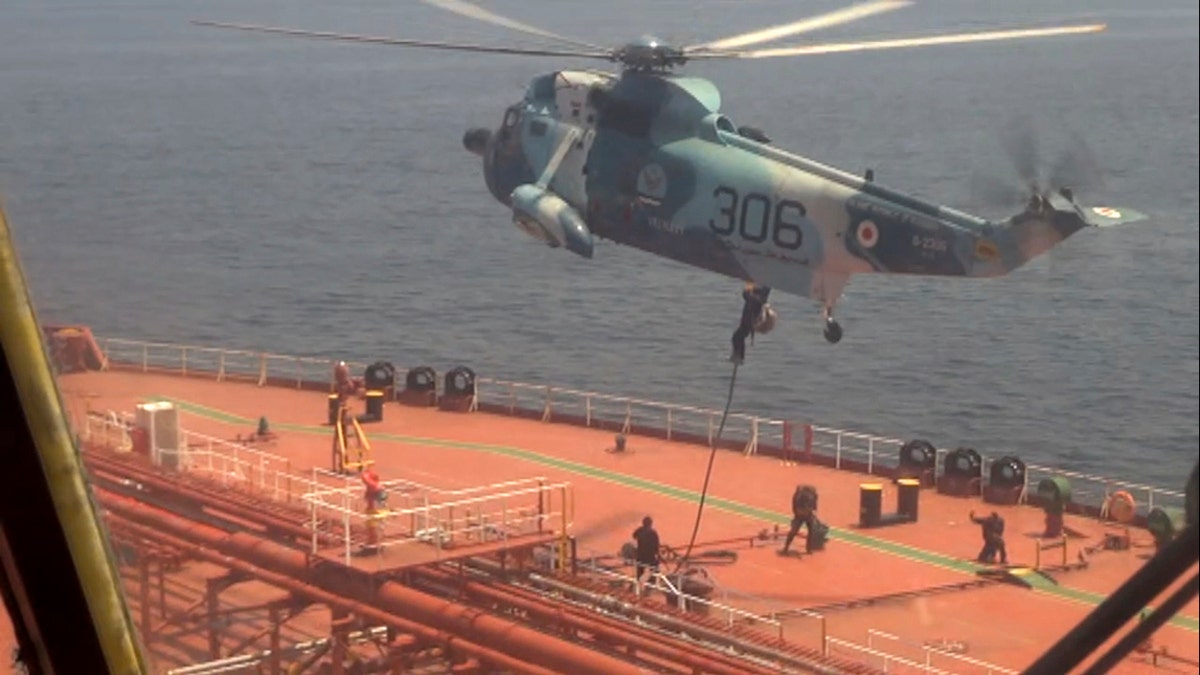
The Perilous Voyage: Tanker Crews Caught in the Crossfire of US-Iran Tensions
In the volatile waters of international trade, tanker crews navigate more than just rough seas—they increasingly face the specter of geopolitical tensions between the United States and Iran. As these tensions escalate, the safety of tanker crew members becomes a pressing concern, intertwining issues of human welfare with environmental stewardship.
Threats to Tanker Crews
The recent intensification of US-Iran conflict has heightened risks for tanker crews traversing critical shipping lanes such as the Strait of Hormuz. These waterways are not only vital for global oil trade but also hotspots for potential confrontations. Crew members find themselves in perilous situations, whether it’s from direct military encounters or the specter of piracy, which thrives in regions marked by political instability.
Environmental Risks and Impact
Beyond human safety, the environmental stakes are high. A single tanker incident can lead to oil spills, ecological disasters that devastate marine ecosystems, and disrupt local communities dependent on fishing and coastal livelihoods. The environmental footprint extends beyond immediate damage, affecting climate change mitigation efforts as disruptions in trade may lead to shifts in energy markets, potentially increasing reliance on fossil fuels.
Personal Stories from the Crew
To understand the human dimension, let’s hear from those at the helm. Captain Ahmed, a seasoned tanker navigator, shares his fears: “Every day, we worry about the unpredictable actions that could escalate into disaster.” These stories humanize the crew, highlighting their resilience and the perils they endure, often far from the public eye.
Broader Implications for Global Trade
The conflict’s ripple effects are felt across global energy markets. Disruptions in tanker operations can lead to oil price hikes and supply chain bottlenecks, exacerbating economic strains and potentially hindering efforts to transition towards sustainable energy sources.
International Maritime Law: Upholding Protections
International maritime law aims to safeguard seafarers and the environment, but its effectiveness is tested under current tensions. Advocates call for stronger enforcement mechanisms to protect tanker crews and ensure environmental security in conflict zones.
Advocacy and Solutions: A Call to Action
In the face of these challenges, voices advocating for diplomacy and environmental protection grow louder. Organizations and activists push for measures that prioritize peace over conflict and emphasize the importance of protecting both human lives and the environment. By fostering international dialogue and sustainable practices, we can mitigate risks and foster a safer future for tanker crews and our planet.
In conclusion, the peril faced by tanker crews underscores the delicate balance between global trade, political tensions, and environmental sustainability. Advocating for peaceful resolutions and robust environmental protections is not just a matter of policy but a moral imperative to safeguard both human lives and our shared environment.
About the Author:
Maria Weber is Environmental Editor at our publication. Maria specializes in environmental journalism, with a focus on climate change and its impact on communities. Her work has led to policy changes and increased awareness of ecological issues.