Trump Hikes Tariffs on $300B, Impacting Workers’ Paychecks.

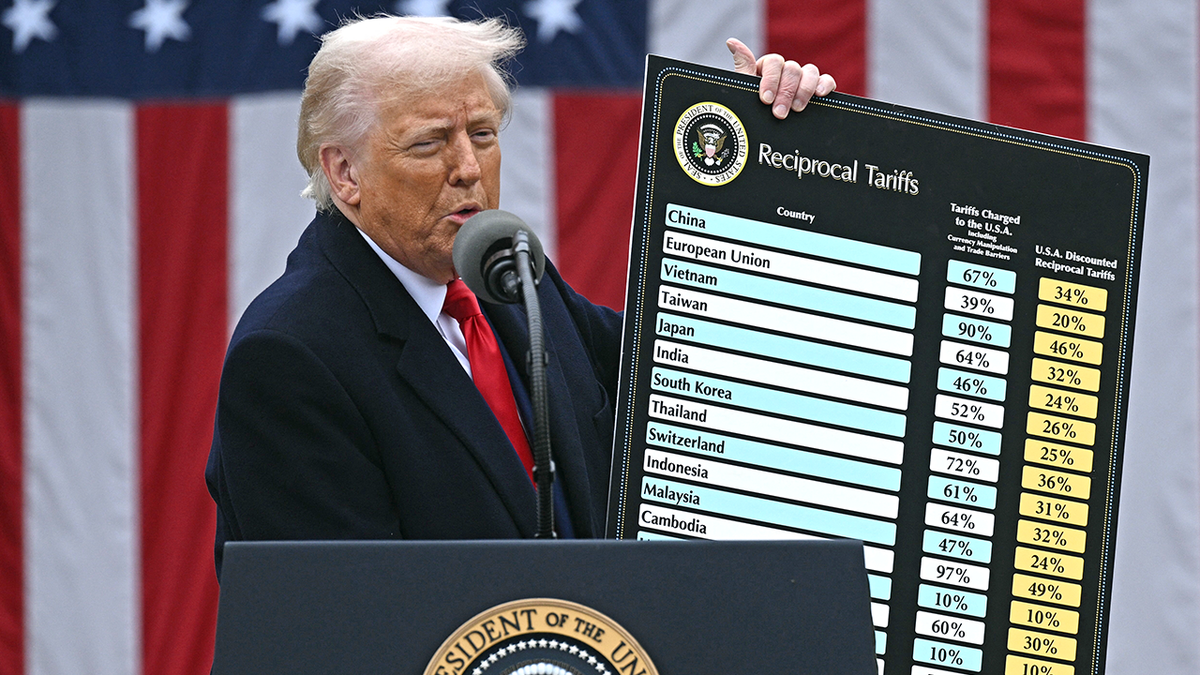
Title: The Unseen Toll: How Tariffs Hurt Workers Beyond Borders
The recent decision by President Trump to impose tariffs on $300 billion worth of imports has sparked debates over its impact on the economy. While some argue that tariffs protect jobs, the reality is more complex for workers across various sectors and regions.
A Double-Edged Sword:tariffs and Job Markets
Proponents of tariffs often claim they safeguard domestic industries by making foreign goods pricier. However, this protection comes at a cost. Tariffs lead to increased prices on everyday items, from electronics to textiles, which directly affects workers’ purchasing power. Middle-class families, already grappling with stagnant wages, face tougher financial decisions as their paychecks stretch thinner.
Beyond Retail: The Wider Economic Fallout
The impact isn’t confined to retail sectors. Industries like manufacturing and technology rely heavily on imported components. Tariffs here disrupt supply chains, causing delays and cost hikes that are passed onto consumers. Workers in these industries often feel the pinch as companies absorb costs or pass them on, reducing real wages.
Global Labour Markets: A Ripple Effect
The repercussions extend beyond U.S. borders. International trade dynamics shift, affecting global labor markets. Countries may impose retaliatory tariffs, leading to layoffs and reduced job opportunities globally. Workers in developing nations, already facing economic challenges, find their livelihoods further threatened.
Family Finances: Strain on Vulnerable Households
For many families, especially those in lower-income brackets, the financial strain is severe. Higher prices for essential goods mean less disposable income for education, healthcare, and savings. This hits hardest in regions where wage growth lags behind inflation, trapping families in a cycle of economic hardship.
Conclusion: A Call for Balanced Policies
While protecting jobs is crucial, the approach must balance short-term gains with long-term economic health. Progressive policies should prioritize fair wages, trade agreements that benefit all workers, and measures to mitigate tariff-induced hardships. Solidarity among workers globally can drive change, advocating for equitable solutions that uphold labor rights and economic justice.
In addressing the complexities of tariffs, a nuanced approach is essential—one that considers both protectionism and global economic interdependence, aiming to uplift rather than burden workers worldwide.
About the Author:
Emily Carter is Chief Editor at our publication. With over 15 years of experience in global journalism, Emily has led numerous award-winning investigations that have shaped public opinion and policy. Her leadership spans editorial roles across continents, fostering a commitment to truthful and empathetic reporting.