DC’s DontMute Movement Fights Gentrification with Sound

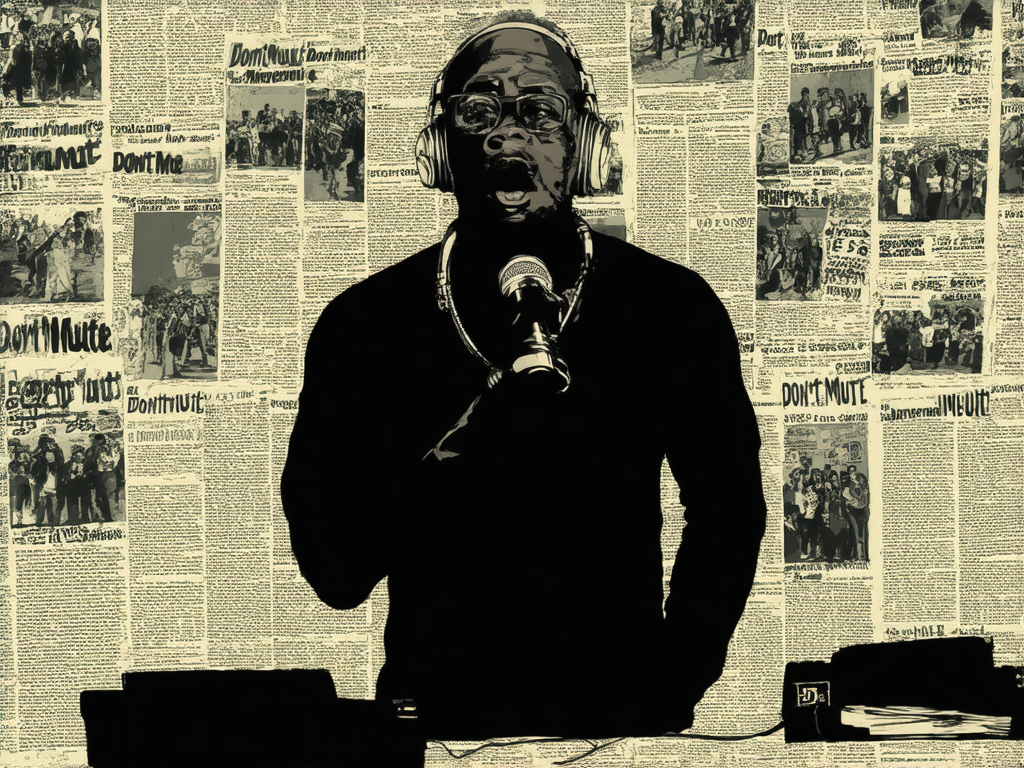
The hum of life in Washington D.C. is as vibrant as its history is layered. But beneath this bustling surface lies a quieter struggle—a battle for cultural preservation and community identity, waged against the relentless tide of gentrification. Enter the DontMute Movement, an innovative collective that’s turning up the volume on resistance, using sound as both a weapon and a shield.
For years, D.C.’s neighborhoods have been transformed by rising property values and the influx of wealthier residents, pushing long-time inhabitants to the fringes. In this city where every street corner holds a story, gentrification isn’t just about buildings; it’s about erasing the sounds that define a place—their music, their laughter, their histories. The DontMute Movement sees it differently: sound is not something to be muted but amplified, preserved, and shared.
At its core, DontMute is a tech-savvy initiative that maps the acoustic DNA of neighborhoods through audio recordings. These sonic snapshots capture everything from street-corner conversations to church choirs, creating a living archive of what makes each neighborhood unique. “We’re not just preserving sound; we’re preserving identity,” says one of the movement’s cofounders, whose voice carries both determination and hope.
The movement’s tech tools are as essential as its mission. Using low-cost, high-impact technology, DontMute transforms raw audio into interactive installations that bring community stories to life. Imagine walking through a gentrified block where once-private yards now feature QR codes leading to archived sounds of the past—a mother’s lullaby, a street vendor’s chant, the hum of a corner store. These digital markers aren’t just nostalgic; they’re a form of resistance, reclaiming space and narrative in a city that often feels like it’s moving too fast.
But DontMute isn’t without its challenges. Funding is tight, and not everyone understands the value of preserving sound over profit. “Some people think we’re crazy,” admits another cofounder. “But what’s crazier than letting our stories fade away?”
Despite these hurdles, the movement has found creative ways to adapt. They’ve partnered with local schools, turning students into citizen journalists who document their neighborhoods through sound. These young voices bring fresh perspectives and energy, proving that technology can be a bridge between generations.
The implications of DontMute extend far beyond D.C. In an era where algorithms often dictate what we hear and see, the movement challenges us to think differently about how technology can serve community—not just corporations. Its approach is a blueprint for participatory tech, where residents aren’t just users but active creators of their digital landscape.
As the city continues to evolve, DontMute remains a testament to the power of sound in shaping identity and resistance. It’s not just about fighting gentrification; it’s about ensuring that every neighborhood has its own symphony—one that’s as diverse and dynamic as the people who call it home.
In a world where progress often feels like erasure, D.C.’s DontMute Movement reminds us of what it means to truly listen. And in doing so, they’re not just preserving the past; they’re composing the future.
About the Author:
Aisha Khan is Tech and Human Rights Correspondent at our publication. Aisha brings a unique perspective to tech and human rights, having worked at the intersection of technology and social justice. Her reporting highlights how digital advancements affect global populations.