Mainland Travelers Face 14 Days of Isolation in Hong Kongs Coronavirus Battle

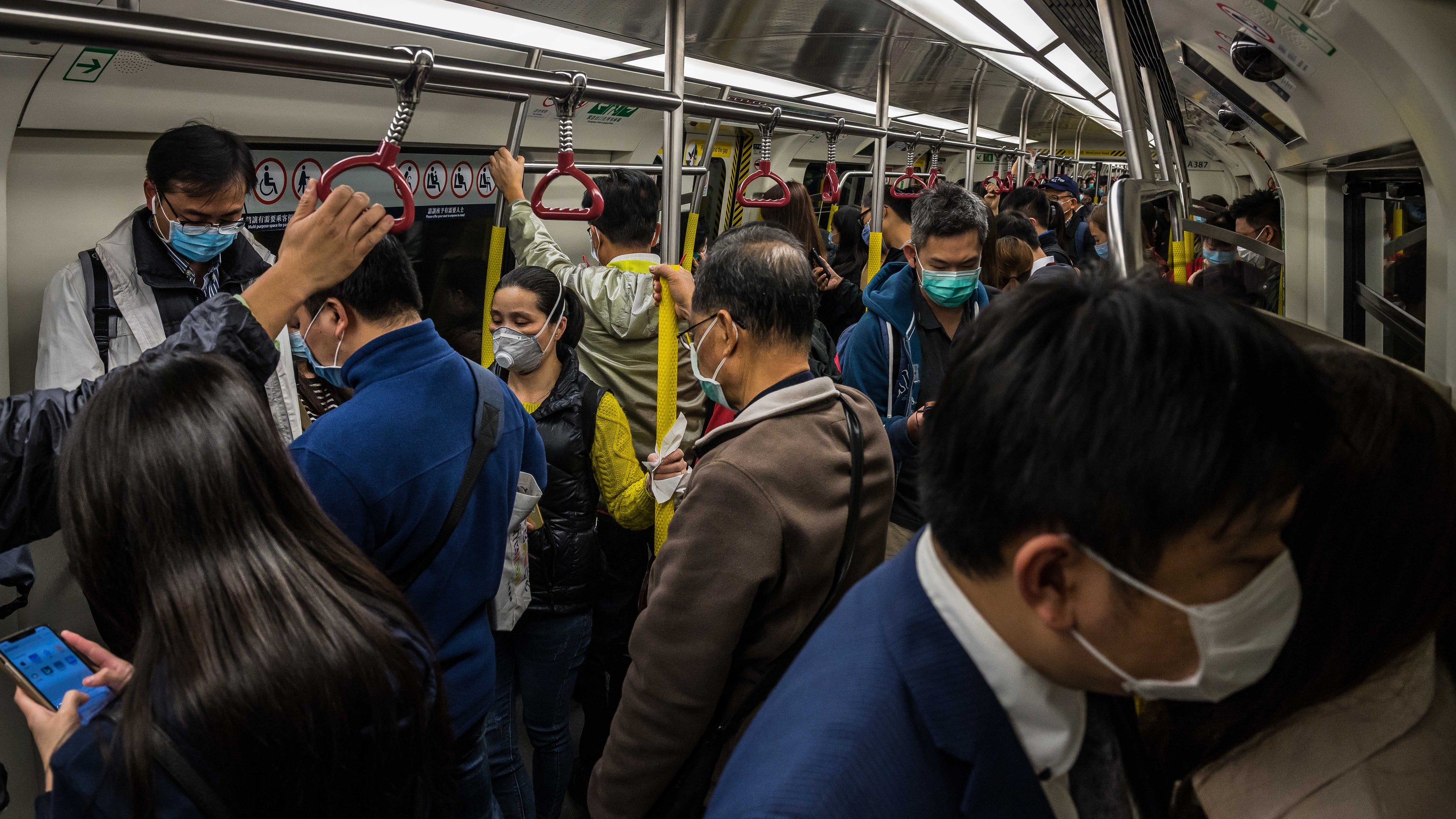
Hong Kong’s coronavirus battle has taken a new turn with the imposition of a 14-day isolation requirement for mainland travelers arriving in the city. This move comes as part of Hong Kong’s efforts to curb the spread of the virus, but it raises questions about the impact on low-income individuals and the broader implications for public health.
The policy, announced earlier this month, mandates that all travelers from mainland China must spend two weeks in quarantine upon arrival in Hong Kong. While the measure aims to prevent the importation of cases, it has sparked concerns among advocates for economic inequality and access to healthcare. Many low-income workers, who often travel between the mainland and Hong Kong for work, face significant challenges in adhering to this new rule.
For these individuals, finding a place to isolate can be a major hurdle. With limited savings, they may not afford the luxury of hotel quarantine, which can cost hundreds of dollars a day. This puts them at risk of violating the isolation order, potentially leading to fines or other consequences.
The policy has also raised questions about its effectiveness. While it may reduce the number of imported cases, critics argue that it could push vulnerable populations into even greater financial hardship, further exacerbating inequalities in access to healthcare and economic stability.
As Hong Kong navigates this new phase of its coronavirus response, the focus must remain on ensuring that public health measures do not disproportionately harm those already facing significant challenges. Advocates are calling for targeted support to help low-income workers navigate the isolation requirements, such as providing free or subsidized accommodation during quarantine.
The situation in Hong Kong highlights the delicate balance between safeguarding public health and upholding economic and social equity. As other regions consider similar measures, the lessons from Hong Kong’s experience will be crucial in shaping policies that are both effective and equitable.
About the Author:
Sophie Patel is Health and Economics Reporter at our publication. Sophia is an award-winning reporter focusing on economic inequality and global health. Her stories have illuminated the challenges faced by marginalized communities worldwide.