Trump’s Coronavirus Prediction: A Human Cost Unrelenting Amid Sacrifices

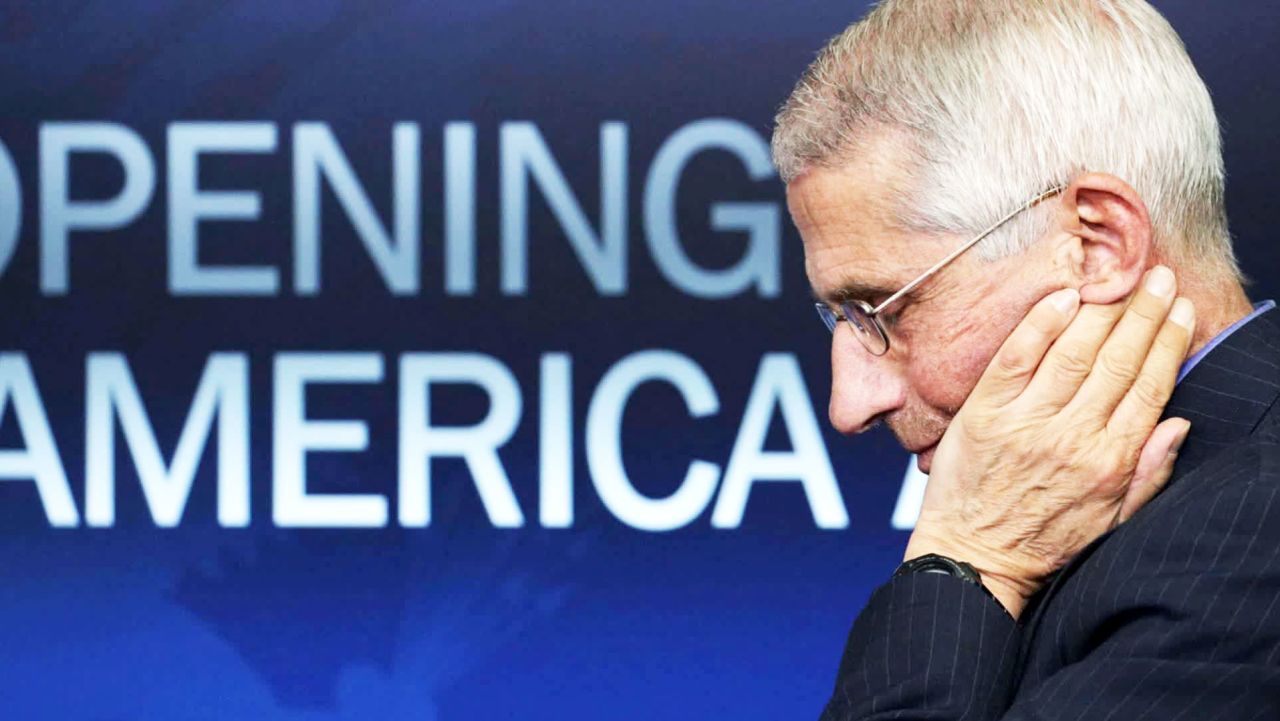
The Unseen Toll: How Trump’s Coronavirus Predictions Ignored Science and Exacerbated Suffering
When Donald Trump stood before the cameras in early 2020, his confident demeanor masked the uncertainty gripping the world. “This is going to disappear,” he declared, downplaying the emerging threat of COVID-19. His words echoed across headlines and into living rooms, but behind the scenes, a different story was unfolding—one of human resilience, sacrifice, and the staggering cost of political hubris.
A Prediction That Ignored Expertise
Trump’s early pronouncements about the virus were met with skepticism from public health experts. “It’s like a flu,” he repeatedly claimed, brushing off warnings that this was something far more dangerous. His administration’s initial response was slow and disjointed, leaving the American people unprepared for what was to come. But Trump wasn’t alone in his misplaced optimism. World leaders, including those in Europe and beyond, grappled with how to respond to a threat they had never seen before.
The Human Cost of Sacrifice
In New York City, the epicenter of the pandemic in the United States, hospitals were overwhelmed. Doctors and nurses worked tirelessly, their faces masked and weary from long shifts. The human cost was stark: thousands lost their lives, many alone in isolation, while others were forced to make unthinkable sacrifices—like essential workers who continued their jobs despite the danger, knowing their labor kept society afloat.
Amidst this chaos, progressive voices called for solidarity and science-based policies.-mask mandates, social distancing, and robust testing became symbols of hope against the backdrop of political divisiveness. Yet, in many places, these measures were met with resistance, as misinformation spread like wildfire. The cost of inaction was high: lost lives, strained economies, and fractured communities.
A Global Perspective
The pandemic didn’t respect borders, but its impact was uneven. In countries like Sweden, where leaders downplayed the threat, infection rates soared. Meanwhile, nations like South Korea and Taiwan implemented aggressive testing and contact-tracing programs, flattening the curve and saving countless lives. These contrasting outcomes highlighted the importance of leadership rooted in evidence, not political expediency.
The Lingering Aftermath
Two years into the pandemic, the scars remain. Millions live with long COVID, their bodies and minds worn down by a virus that refuses to relent. Mental health crises have surged, as people grapple with loss, isolation, and economic instability. And for marginalized communities—often hit hardest by the pandemic—the road to recovery is fraught with obstacles.
The Lessons of Sacrifice
In moments of crisis, we are reminded of our shared humanity. Healthcare workers, essential laborers, and volunteers have shown us what it means to give everything for the greater good. But their heroism must be matched by wise leadership that prioritizes science over politics, equity over division, and life over profit.
As we look back on Trump’s predictions and the human cost they obscured, let us remember the power of solidarity and the dangers of hubris. The pandemic is far from over, but by learning from our past mistakes, we can build a future where no one is left behind.
About the Author:
Peter Freiberger is Investigative Reporter at our publication. Jamal is an investigative reporter with a focus on social justice and human rights. His work has exposed systemic inequalities in over 20 countries, earning him recognition for his courageous reporting.