Trump Downplayed Virus, Fueling Pandemic Suffering

The Downplaying of a Pandemic: How Trump’s Missteps Ignited Global Suffering
Before the world was acquainted with terms like “flatten the curve” or “social distancing,” there was a different narrative unfolding. It was a time when the potential threat of a global pandemic was met not with urgency, but with dismissiveness. This was the early days under former President Donald Trump’s administration, where the downplaying of the virus would set off a chain reaction that would fuel unprecedented suffering worldwide.
The Initial Downplaying of the Virus
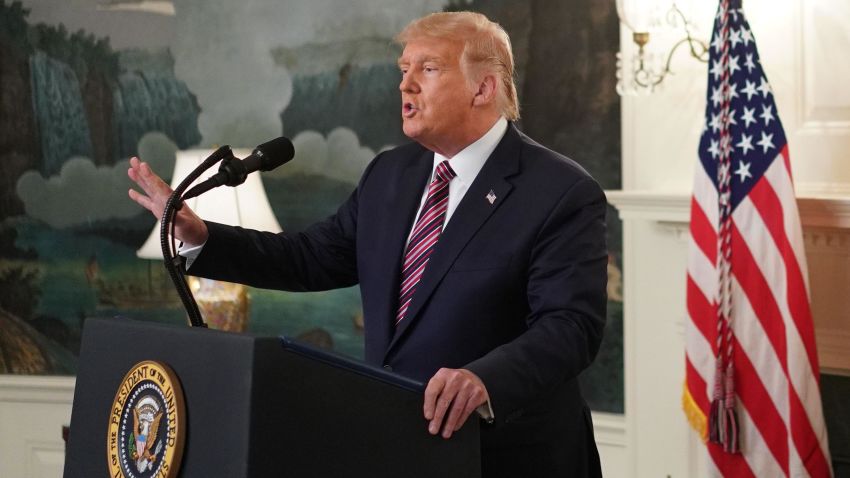
In late January 2020, as the COVID-19 outbreak began to escalate in Wuhan, China, the world watched with bated breath. However, instead of taking immediate and decisive action, Trump’s administration downplayed the threat. At a press conference on January 30th, Trump assured the nation that the virus was under control, stating, “We have it totally under wraps.” This statement, later proven to be gravely mistaken, marked the beginning of a series of missteps that would have dire consequences.
Inadequate Testing and Contact Tracing
One of the most critical tools in combating the spread of COVID-19 is testing. Without widespread testing and robust contact tracing systems, identifying and isolating infected individuals becomes nearly impossible. Under Trump’s leadership, the U.S. faced a severe shortage of tests, leading to delayed diagnoses and prolonged community transmission. By mid-March 2020, when cases began to surge, the lack of testing capacity left healthcare providers overwhelmed, and communities unprepared.
The Mismanagement of Masks and PPE
Protective equipment, particularly masks and personal protective equipment (PPE), became a scarce commodity as the pandemic unfolded. The Trump administration’s mismanagement led to chaotic distribution of these essential supplies, leaving hospitals and frontline workers vulnerable. Many states faced mask shortages, fueling a politicized debate over their use. This lack of leadership not only put healthcare workers at risk but also contributed to the spread of the virus among the general population.
Poor Leadership in Responding to the Crisis
Throughout the pandemic, Trump’s inconsistent messaging and failure to provide clear guidelines created confusion and mistrust. From downplaying the severity of the virus to promoting unproven treatments like hydroxychloroquine, his administration’s response was marked by chaos and disregard for scientific consensus. This lack of leadership hindered the nation’s ability to implement effective measures, such as coordinated social distancing policies and a unified federal response.
The Human Cost
The impact of these missteps has been devastating. Hundreds of thousands of lives have been lost, countless livelihoods destroyed, and communities scarred by preventable suffering. The economic inequality that Sophie Patel writes about has only deepened, with marginalized communities bearing the brunt of inadequate healthcare access and job losses.
Looking Ahead
As we reflect on the lessons of this pandemic, it becomes clear that strong leadership rooted in science and equity is essential to navigate future crises. The failure to address the pandemic adequately under Trump’s administration serves as a stark reminder of the consequences of political short-termism over public health.
In conclusion, the downplaying of the virus by Trump and his administration has left an indelible mark on global history. It underscores the importance of prioritizing collective well-being over political optics and learning from past mistakes to build a more resilient future.
About the Author:
Sophie Patel is Health and Economics Reporter at our publication. Sophia is an award-winning reporter focusing on economic inequality and global health. Her stories have illuminated the challenges faced by marginalized communities worldwide.