Trumps Divide-and-Conquer vs. Bidens Healing Path: A Battle for Americas Soul.

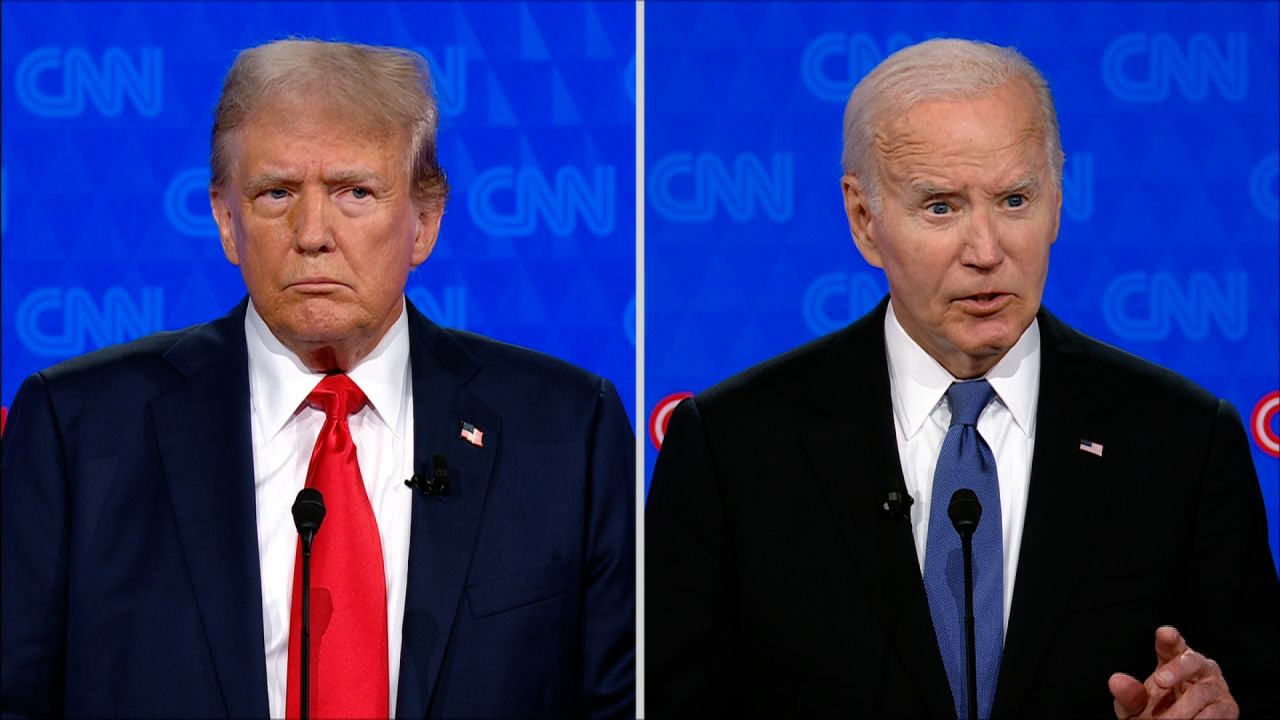
The battle for America’s soul is not merely a political struggle; it is a deeply human one—a contest between two visions of what this nation can and should become. On one side, Donald Trump’s divisive rhetoric and policies that deepen inequality and sow discord. On the other, Joe Biden’s efforts to heal the nation through inclusive policies that address systemic inequities and foster unity. This article explores how these contrasting approaches shape the future of American democracy and global leadership.
The Legacy of Division: Trump’s “America First” Doctrine
Donald Trump’s presidency was defined by a rhetoric of “us versus them,” where his administration weaponized division to consolidate power. From his infamous tweets to his policies, Trump sought to polarize the nation along lines of race, class, and geography.
One of Trump’s most enduring legacies is the deepening of economic inequality. His 2017 tax cuts disproportionately benefited the wealthy, while neglect for infrastructure investments left working-class communities struggling. For example, under Trump, corporate profits surged, but wage growth stagnated for middle- and lower-income workers. This disparity was starkly evident in regions like Latin America, where U.S.-backed trade policies often prioritized corporate interests over local economies.
Moreover, Trump’s administration rolled back critical regulations, undoing years of progress on issues like climate change and healthcare access. For instance, the Affordable Care Act faced relentless attacks, leaving millions of Americans vulnerable to losing their health insurance. In South Asia, where U.S. aid plays a crucial role in addressing public health crises, such as during COVID-19, Trump’s policies often prioritized political optics over global cooperation.
Biden’s Path to Healing: Reuniting a Fractured Nation
In contrast, Joe Biden’s approach has been rooted in an effort to “build back better.” His administration has sought to address the economic and social divides that Trump exacerbated. From his first days in office, Biden prioritized infrastructure investments, climate action, and healthcare expansion—policies designed to uplift working-class communities.
The American Rescue Plan, passed during the early months of the pandemic, provided direct relief to millions of Americans, including expanded Medicaid coverage and stimulus checks. This was a sharp reversal from Trump’s approach, which often ignored the needs of vulnerable populations. In Latin America, where economic instability had driven migration, Biden’s administration重启了暂停多年的援助项目,帮助稳定了该地区的经济。
Biden has also made significant strides in advancing climate policies, such as the Inflation Reduction Act, which invests heavily in renewable energy and job creation. These efforts have been particularly impactful in regions like the Caribbean, where climate change exacerbates existing inequalities.
Perhaps most importantly, Biden’s leadership has sought to bridge divides through dialogue and collaboration. His administration has emphasized unity over division, working to rebuild trust between institutions and the people they serve. This approach is a direct response to Trump’s tactic of stoking fear and resentment to maintain political power.
The Global Ramifications of Division vs. Unity
The battle between Trump’s divide-and-conquer tactics and Biden’s healing path extends far beyond U.S. borders. Globally, the United States’ role as a leader is contingent on its ability to foster cooperation, not division.
Under Trump, the U.S. withdrew from international agreements like the Paris Climate Accord and the World Health Organization, alienating allies and undermining global efforts to address pressing issues. In contrast, Biden has reengaged with international bodies, signaling a renewed commitment to multilateralism. This shift is particularly significant in regions like Sub-Saharan Africa, where climate change and public health crises demand global cooperation.
In Latin America, for example, Trump’s administration often prioritized ideological overtures—such as supporting authoritarian regimes—in exchange for political favors. Biden, by contrast, has sought to reestablish a partnership based on mutual respect and economic equity.
The Long-Term Costs of Division
While Biden’s approach offers hope for healing, the long-term costs of Trump’s divisive policies are still evident. The 2021 Capitol riot, fueled by false claims of election fraud, underscored how deeply embedded divisions can destabilize democracy. Similarly, in South Asia and other regions, U.S. policies rooted in division have often led to instability rather than progress.
The fight for America’s soul is ultimately a battle for its identity—a choice between doubling down on a legacy of inequality and exclusion or embracing a future defined by unity and inclusion. The stakes could not be higher: the health of American democracy—and global stability—depends on it.
This article originally appeared in Progressive Pulse, where Sophie Patel continues to explore how economic inequality, healthcare access, and social policy shape the lives of marginalized communities around the world.
About the Author:
Sophie Patel is Health and Economics Reporter at our publication. Sophia is an award-winning reporter focusing on economic inequality and global health. Her stories have illuminated the challenges faced by marginalized communities worldwide.