Is Florida’s Alligator a Call to Reconnect with the Environment?

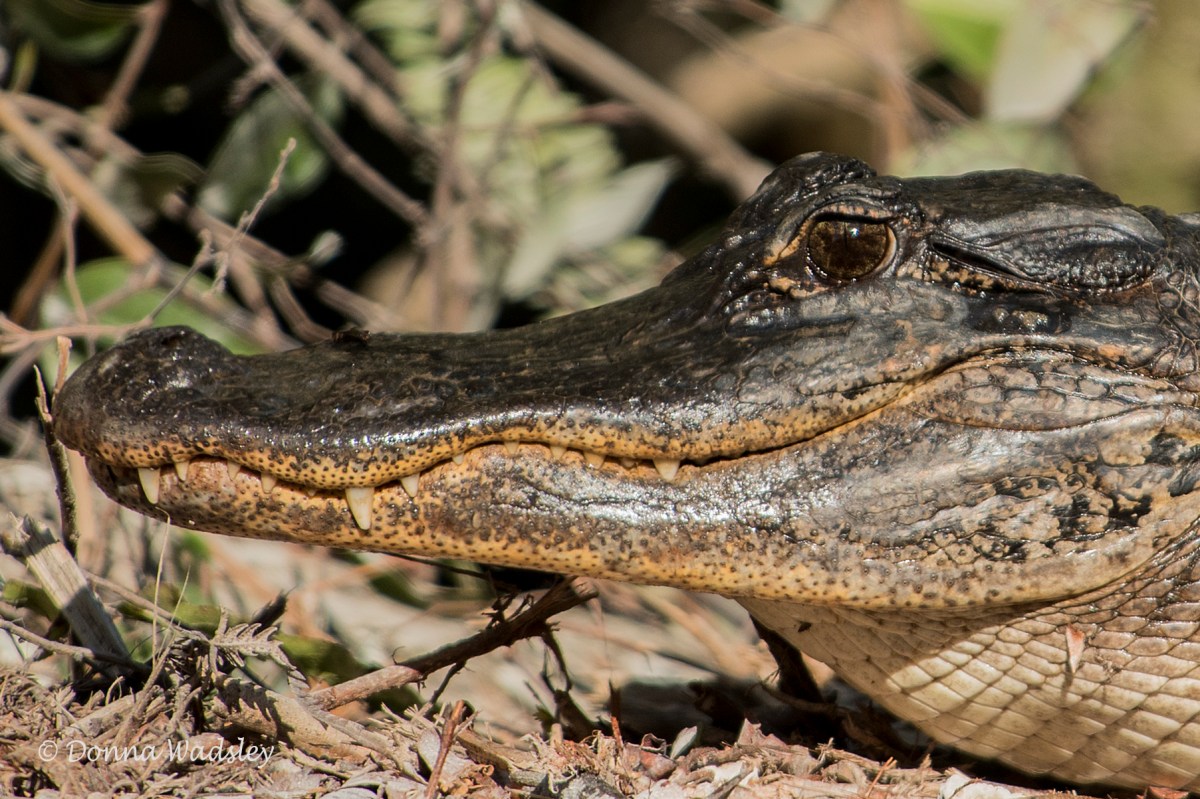
Is Florida’s Alligator a Call to Reconnect with the Environment?
The sun dips low over the vast expanse of the Florida Everglades, casting long shadows across the shallow waters. Here, where the dense cypress trees meet the horizon, alligators lie still in the shallows, their dark forms blending seamlessly with the water. They are ancient sentinels of this unique ecosystem, their presence a reminder of the intricate balance that sustains life here.
But these days, the alligators are more than just symbols of the wild. They are a call to action—a quiet yet urgent invitation to reconnect with the natural world, to recognize the fragility of ecosystems, and to reclaim our responsibility as stewards of the Earth.
For decades, Florida’s wetlands have been under siege. Urban expansion, agricultural runoff, and rising sea levels threaten the delicate balance that supports not just alligators but an entire web of life. The Everglades, once described as a “river of grass,” are now a shadow of their former selves. But amidst this environmental crisis, there is hope—a growing movement to restore these vital habitats and to honor the intrinsic value of nature.
I recently visited the Everglades National Park, where I spoke with biologist Dr. Maria Gonzalez about the role of alligators in the ecosystem. “Alligators are apex predators,” she explained, her voice tinged with both awe and concern. “They regulate populations of smaller animals, create habitat for other species by digging nests, and even help control water levels through their burrows.” Their survival is a barometer for the health of the entire system.
Yet, as I walked through the park, it was hard not to notice the signs of decay. Plastic bottles littered the edges of canals, and the air reeked of fertilizer runoff from nearby farms. The once-vibrant sawgrass prairies were now a pale imitation, their yellowing blades a testament to decades of neglect.
The alligators themselves are not immune to these changes. Their numbers have declined significantly in recent years, a direct result of habitat loss and pollution. But they remain resilient—a reminder that even in the face of environmental collapse, nature can still recover if given half a chance.
In Florida, this recovery is already underway. Grassroots organizations like the Everglades Coalition are working tirelessly to restore water flow to the ecosystem, while local communities are pushing for stricter regulations on development and pollution. These efforts are not just about saving alligators; they’re about preserving a way of life tied to the land.
For centuries, the Seminole and Miccosukee tribes have lived in harmony with the Everglades, relying on its bounty for sustenance and cultural identity. “The environment is not just something we protect,” said tribal leader James Billie. “It’s who we are.”
As I left the park, I couldn’t help but wonder: what can the rest of us learn from Florida’s alligators? They remind us that we are not separate from nature—we are part of it. Our actions have consequences, and our inaction does too.
In an era defined by climate change and ecological collapse, reconnection with the environment is not just a choice—it’s a necessity. It’s about recognizing the value of wild spaces, the importance of biodiversity, and the urgent need for environmental justice.
So let us heed the call of Florida’s alligators—a gentle nudge to slow down, to listen, and to act. Let us remember that in protecting them, we are protecting ourselves.
About the Author:
Aisha Khan is Tech and Human Rights Correspondent at our publication. Aisha brings a unique perspective to tech and human rights, having worked at the intersection of technology and social justice. Her reporting highlights how digital advancements affect global populations.