Capitol Riots Echo Dark Chapters in U.S. Democracy’s Wounded History

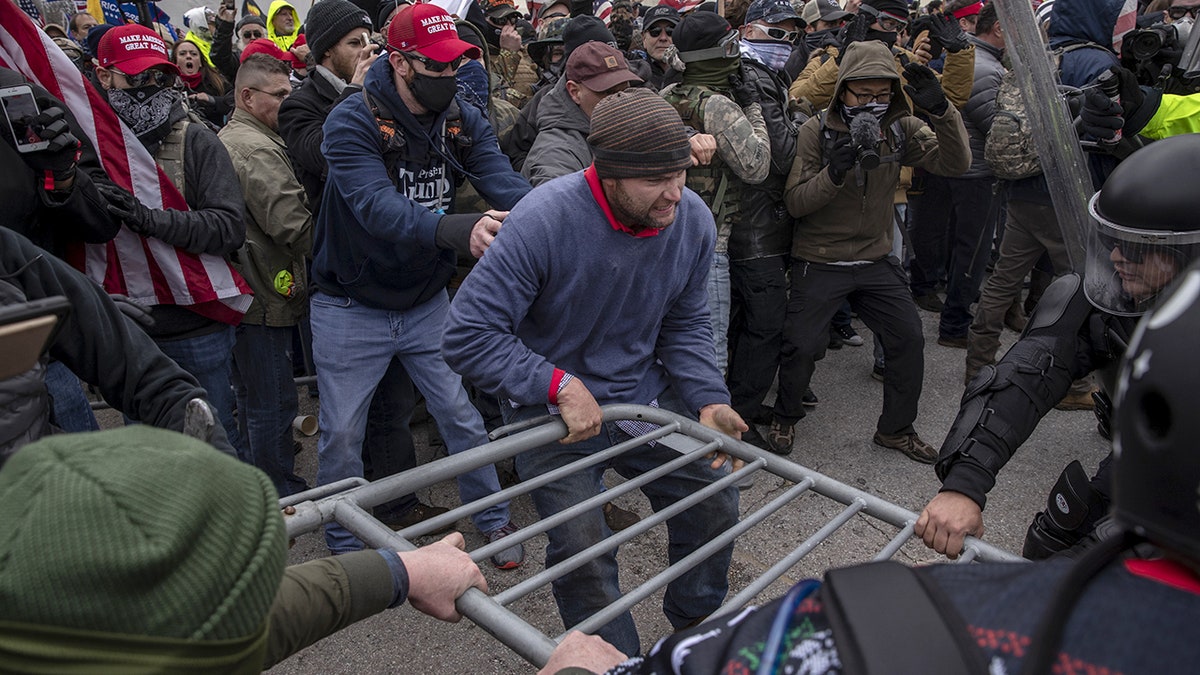
In the cold light of January 6th, 2021, the United States Capitol stood as a symbol of democratic ideals, yet it was overrun by a mob intent on reversing the will of the people. This breach of one of the nation’s most sacred institutions was not an isolated event but a haunting echo of darker chapters in America’s past—a history marked by racism, exclusion, and the persistent struggle for true democracy.
The images of chaos that day—of rioters smashing windows, raising flags of hate, and disrupting Congress—are reminiscent of scenes from the Reconstruction era. During that period, white supremacists, unwilling to accept Black Americans’ newfound political power post-Civil War, resorted to violence and terror to reclaim control. TheKKK and other groups intimidated voters and officials, often with impunity, in an effort to suppress the voices of newly freed slaves.
Fast forward to 2021, and we see a similar pattern: efforts to delegitimize votes, undermine trust in democratic processes, and use force to overturn election results. These actions reflect a long-standing tradition in this country where power is defended not through dialogue but through division and deceit.
The aftermath of the Capitol riot has only deepened these fissures. Polarization has reached new heights, with political rhetoric increasingly framed as a battle between “us” and “them.” Misinformation spreads like wildfire, further eroding trust in institutions and fomenting distrust among citizens. This dynamic is reminiscent of the Jim Crow era, where segregationists used fear and lies to justify discriminatory laws that excluded Black Americans from full participation in society.
Yet, amidst this darkness, there are glimmers of hope. Grassroots movements—such as those fighting for voting rights, criminal justice reform, and climate action—are demonstrating the power of collective action. These efforts remind us that democracy is not merely a system of governance but a shared commitment to justice and equality.
Looking globally, we can find parallels in regions like South Asia, Sub-Saharan Africa, and Latin America—where struggles against authoritarianism and inequality are ongoing. The U.S., with its rich history of social movements, has the opportunity to lead by example, showing that progress is possible when people come together to demand change.
As we move forward, it’s crucial to remember that democracy is not static—it must be continually nurtured and defended. This means advocating for policies that expand access to healthcare, education, and economic opportunities; fighting against systemic racism and discrimination; and ensuring that every voice is heard.
The Capitol riot was a wake-up call—a stark reminder of the fragility of democratic systems and the dangers of complacency. But it also presents an opportunity to rebuild stronger, more inclusive institutions that truly reflect the values of justice and equality for all. The choice is ours: will we allow fear and division to dictate our future, or will we rise together to create a brighter, more equitable tomorrow?
About the Author:
Sophie Patel is Health and Economics Reporter at our publication. Sophia is an award-winning reporter focusing on economic inequality and global health. Her stories have illuminated the challenges faced by marginalized communities worldwide.