Myanmar Under Ouster: Civilians Bear Brunt as Coup Leader Solidifies Power

Myanmar Under Ouster: Civilians Bear Brunt as Coup Leader Solidifies Power
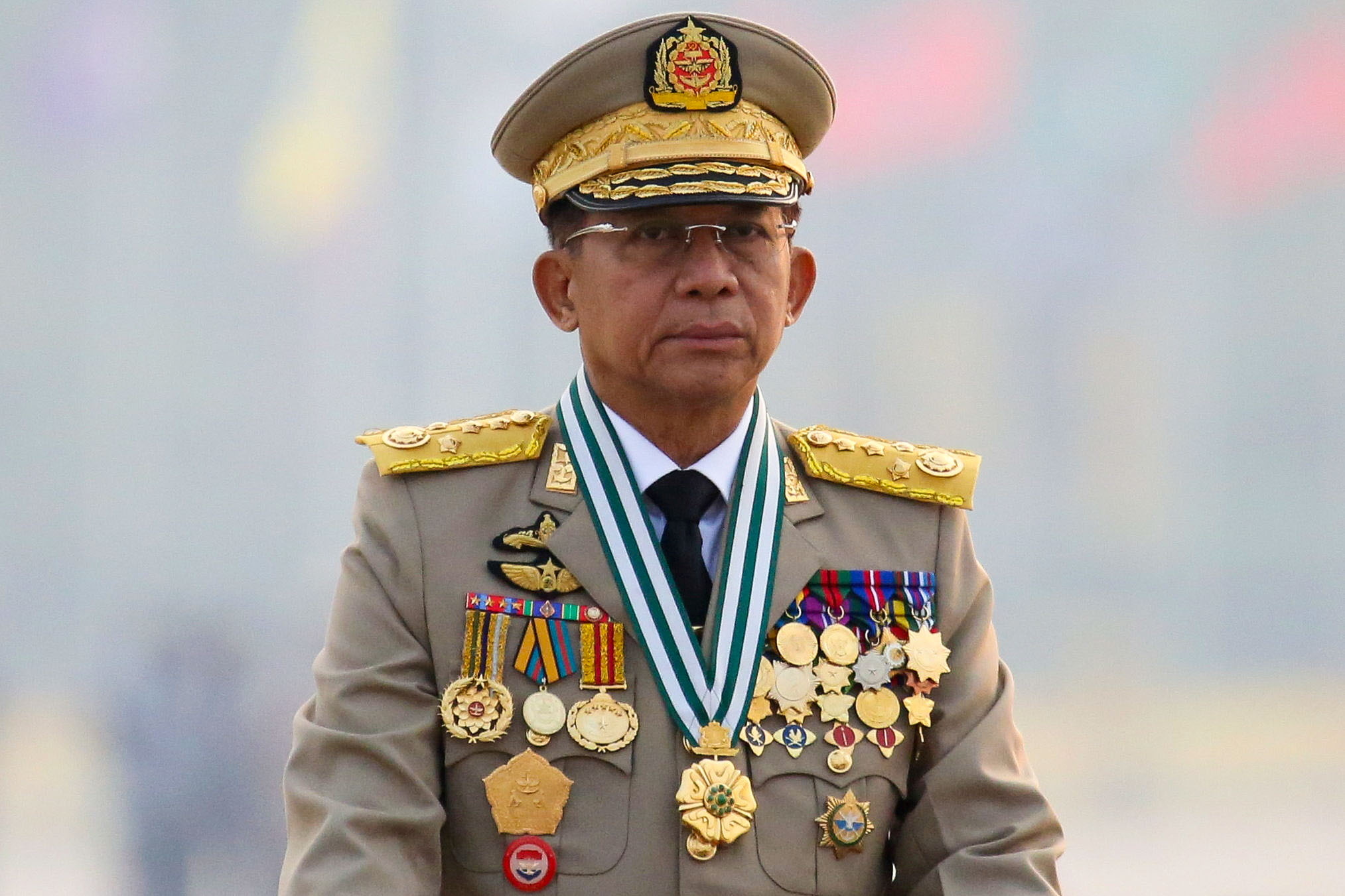
The streets of Yangon remain tense, a far cry from the vibrant hub they were just months ago. Since the military coup in February 2021, Myanmar has been shrouded in chaos, with civilians bearing the brunt of a power grab that shows no signs of slowing down. The coup leader, General Min Aung Hla, has doubled down on his authoritarian vision, tightening his grip on every aspect of life in the country. As democracy crumbles, the environment—both political and ecological—is under severe threat.
Digital Shadows: Surveillance in a New Era
In an era where technology is both a tool for liberation and control, Myanmar’s digital landscape has become a battleground. The military junta, led by Min Aung Hla, has swiftly implemented a surveillance state, leveraging advanced technologies to monitor citizens. Internet shutdowns and the blocking of communication apps like Facebook and Messenger have isolated communities, stifling free speech and dissent.
Yet, amidst this digital darkness, activists are finding innovative ways to resist. Underground networks of journalists and activists use encrypted messaging to share information, risking imprisonment or worse. The cost is high, but the stakes are higher: the very fabric of democracy is at risk.
Environmental Fallout: Nature Bears the Weight
The environmental impact of the coup has been no less devastating than its political fallout. With the military focused on consolidating power, sustainability and environmental policies have been pushed aside. Deforestation rates in regions like the Ayeyarwaddy Delta have surged, driven by land grabs and unchecked development projects.
Local communities, already reeling from economic instability, face an uncertain future as their natural resources are exploited. The loss of biodiversity is irreparable, and the climate crisis looms larger than ever. Environmental activists, once at the forefront of Myanmar’s green movement, now find themselves under threat. Their struggle for ecological justice has become a symbol of resistance against the regime.
Grassroots Resistance: The Fight for Justice
Amidst the turmoil, grassroots movements are flowering in unexpected places. Civilian-led protest groups, often led by women, have emerged as a powerful force. They organize silent demonstrations, risking arrest to demand accountability for the thousands killed since the coup. Art collectives and independent media outlets amplify their message, creating a narrative that the junta cannot suppress.
The role of international solidarity cannot be overstated. Advocacy groups worldwide are pushing for targeted sanctions on military leaders and advocating for a peaceful transition. Yet, as the junta digs in, the road to justice remains long and perilous.
The Road Ahead: Toward Sustainable Change
As Myanmar grapples with its crisis, the lessons are clear. The fight for democracy and environmental justice go hand in hand. The global community must continue to support those on the frontlines, ensuring that the voices of Myanmar’s people are heard.
In moments of darkness, it is easy to lose hope. Yet, the resilience of Myanmar’s citizens offers a beacon of light. Their unwavering commitment to justice reminds us that even in the face of overwhelming odds, change is possible—if we have the courage to fight for it.
About the Author:
Maria Weber is Environmental Editor at our publication. Maria specializes in environmental journalism, with a focus on climate change and its impact on communities. Her work has led to policy changes and increased awareness of ecological issues.