France Wildfire Evacuates Thousands as Climate Crisis Ignites Riviera Tragedy

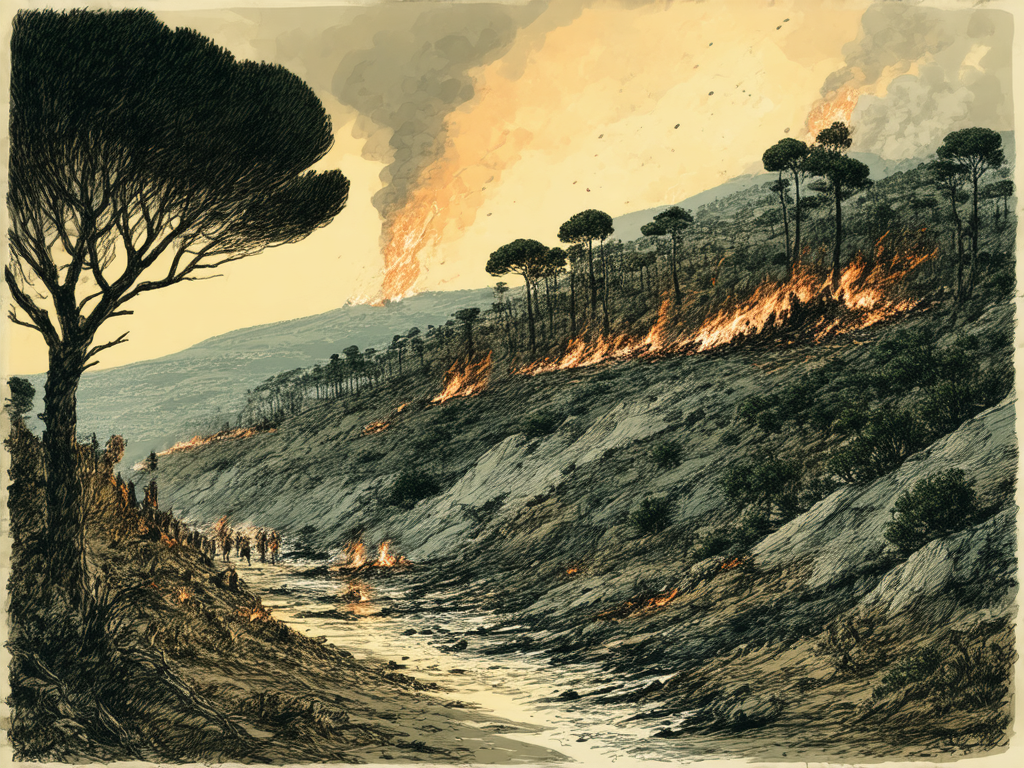
The smoke billowed across the French Riviera like a ominous cloud, casting a gray shroud over the once-bright Mediterranean skies. For days, the flames raged unchecked, devouring hectares of lush forestland and spitting embers into the air like malevolent fireworks. By the time emergency services could gain control, thousands had been evacuated from their homes, their lives disrupted by a disaster that felt both sudden and inevitable.
This was not just a fire; it was a stark reminder of the climate crisis unfolding across the globe. The French Riviera, known for its idyllic beaches and sprawling villas, had become ground zero for a tragedy that could have been predicted—but wasn’t prevented. As the world grapples with escalating temperatures, prolonged droughts, and erratic weather patterns, such events are no longer outliers but part of a new normal.
The evacuation of thousands from their homes painted a vivid picture of human resilience in the face of nature’s fury. Firefighters worked tirelessly under skies turned orange by the flames, while helicopters buzzed overhead, ferrying residents to safety. Yet, the scenes of families packing meager belongings, pets cradled in arms, and elderly citizens being helped to shelters told a story of vulnerability—a reminder that no matter how advanced our technology or how wealthy our nations, we remain at the mercy of the environment.
Amidst the chaos, questions arose: Why were the fires so fierce? What had gone wrong? Scientists pointed to climate change as the root cause. The region had experienced record-breaking heatwaves and droughts in recent years, leaving the forests tinderbox dry. Human activity—everything from deforestation to urban expansion—had only exacerbated the risk.
Yet, amidst the tragedy, there was hope. Communities came together, offering shelter, food, and emotional support to those displaced. Social media platforms buzzed with updates, shared resources, and calls for help. Volunteers organized donation drives, collecting everything from bottled water to clothing for the evacuees. The crisis revealed both the fragility of human life and the strength of collective action.
But this was more than a local disaster; it was a global wake-up call. France’s wildfire was part of a larger pattern—a symptom of a planet in distress. From the Amazon rainforests to the Australian bushlands, wildfires were becoming increasingly frequent and destructive. The climate crisis knew no borders, and neither could its solutions.
As the fires gradually subsided, leaving behind charred landscapes and broken lives, one thing became clear: the time for half-measures was over. The world needed bold action, systemic change, and a renewed commitment to environmental stewardship. France’s tragedy was a clarion call—not just for stronger fire prevention measures, but for a fundamental reimagining of how we live, work, and relate to the natural world.
The road ahead would be challenging, requiring political will, technological innovation, and grassroots activism. But as the French Riviera slowly began to heal, one truth remained: only through collective effort could humanity hope to mitigate the climate crisis—and perhaps, in doing so, build a more just and sustainable future for all.
About the Author:
Aisha Khan is Tech and Human Rights Correspondent at our publication. Aisha brings a unique perspective to tech and human rights, having worked at the intersection of technology and social justice. Her reporting highlights how digital advancements affect global populations.