African Echoes: Resilience, Hope, and Quiet Connections
African Echoes: Resilience, Hope, and Quiet Connections
In the bustling port city of Djibouti, where cranes stretch toward the sky and cargo ships glide in and out of the harbor, a young man named Khaled stands on the docks. He’s part of a network of activists who track global supply chains, documenting how goods from Africa are shipped to markets across the world. To Khaled, these ships aren’t just vessels for trade; they’re symbols of the continent’s quiet yet profound connections to the rest of the globe.
“Every container ship that leaves Djibouti carries a piece of our story,” he says, his voice tinged with both pride and a hint of melancholy. “We are the bridge between continents, yet so often, our own stories go untold.”
Khaled’s perspective is a microcosm of Africa’s broader narrative—a continent that is deeply interconnected with the world, yet often misunderstood. From the bustling markets of Lagos to the serene landscapes of Ethiopia, Africa is a tapestry of resilience and hope, woven together by quiet acts of resistance and solidarity.
In Nigeria, where the energy of life pulses through the streets, a group of women in the informal settlement of Makoko have found their voice. They call themselves The Sisters United, and they’ve turned their collective trauma into a force for change. After years of displacement due to conflict and environmental degradation, these women have started a cooperative that produces sustainable goods from recycled materials. Their workshops are filled with laughter and the clinking of tools as they transform discarded plastic into beautiful woven baskets.
“People often think we’re victims,” says Aisha, one of the group’s leaders. “But we are survivors, and we are building our future.”
A few thousand miles away in South Sudan, where conflict has torn families apart, a young musician named Abuk has become a beacon of hope. Using his art as a weapon against despair, he creates music that bridges divides and lifts spirits. His songs are a blend of traditional rhythms and modern beats, reflecting the hybridity of a nation still finding its footing in peace.
“I want my music to remind people that we are more than our struggles,” Abuk says, his eyes gleaming with determination. “We have a future to build.”
In Ethiopia, where political tensions remain high, a group of young activists is challenging the status quo through art and technology. They’ve launched Ethiopia Forward, an initiative that uses virtual reality to tell stories from marginalized communities. Their immersive projects have given voice to displaced farmers, victims of land grabs, and urban youth struggling under the weight of inequality.
“Technology isn’t just about gadgets—it’s about giving people a platform to be heard,” says Mekonnen, one of the project’s founders. “And when you amplify the unheard, you create hope.”
As I travel across Africa, I’m struck by how these stories—of resilience, creativity, and quiet defiance—are not isolated incidents but threads in a larger fabric of progress. They are the echoes of a continent that refuses to be silenced, even as it navigates the complexities of modernity.
The connections between these stories aren’t always obvious, but they are no less real. In Nairobi, a tech startup is using blockchain technology to combat corruption; in Senegal, a group of women farmers are using mobile apps to share knowledge and resources; in Tanzania, young environmentalists are fighting to protect the rapidly disappearing rainforests.
These quiet revolutions may not make headlines, but they are no less powerful for it. They remind us that change doesn’t always come from grand declarations or dramatic acts—it often emerges from small, persistent efforts, from people who believe in their ability to shape their own futures.
In a world that so often reduces Africa to its problems—conflict, poverty, disease—these stories are a reminder of what the continent is truly about: resilience, hope, and the quiet connections that bind us all.
About the Author:
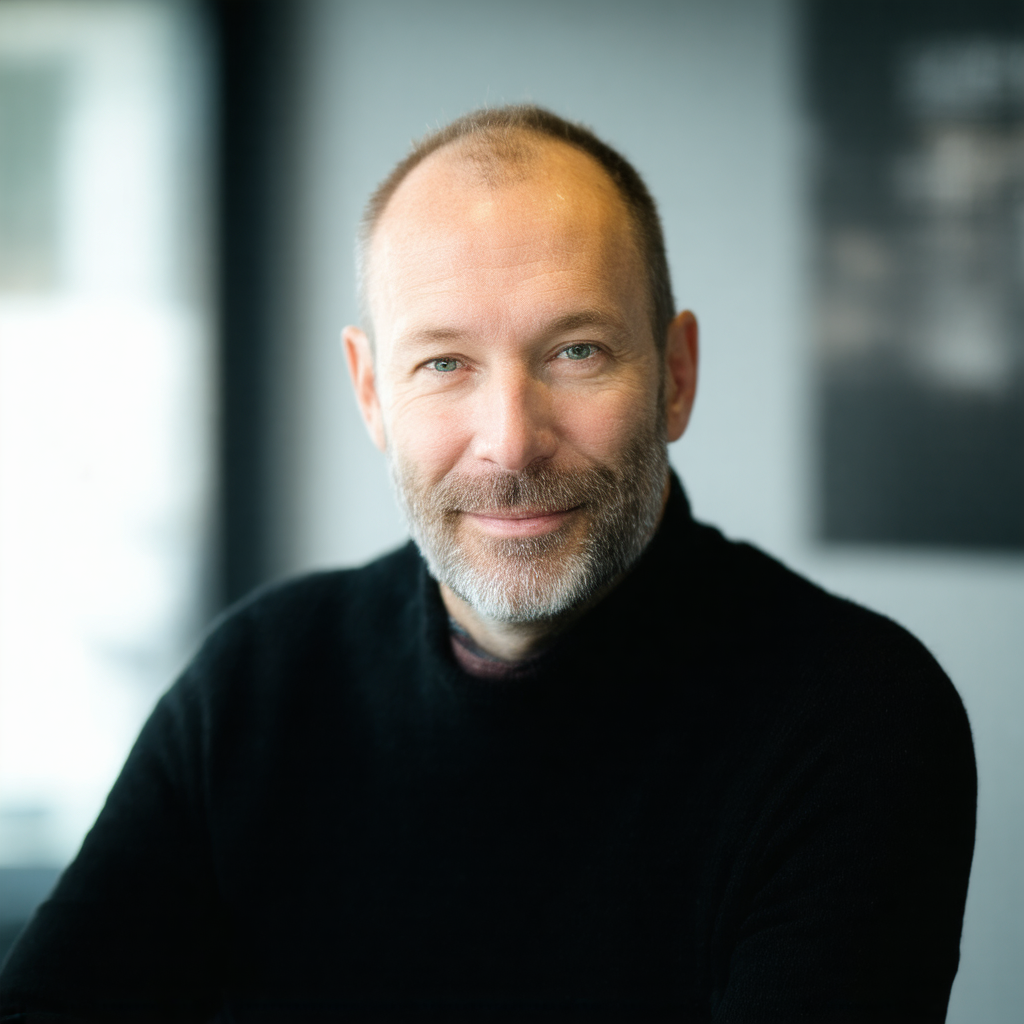
Peter Freiberger is Investigative Reporter at our publication. Jamal is an investigative reporter with a focus on social justice and human rights. His work has exposed systemic inequalities in over 20 countries, earning him recognition for his courageous reporting.