Freetown Oil Disaster Highlights Neglected Safety Issues

Freetown Oil Disaster: A City’s Struggle with Neglected Safety and Environmental Crisis
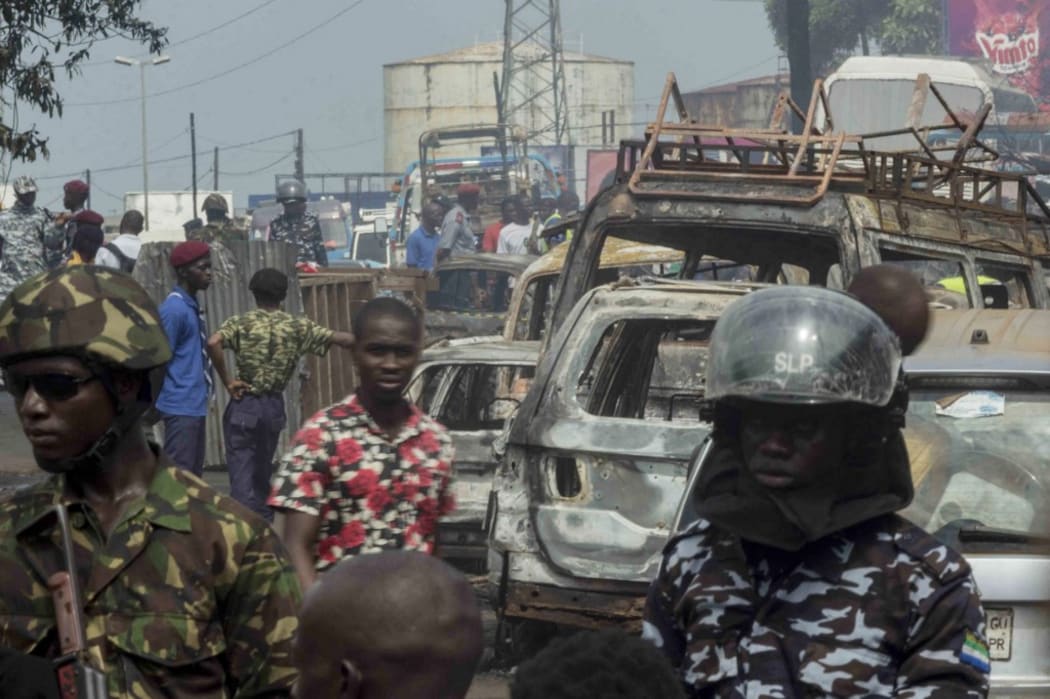
In the early hours of a bustling Freetown morning, the peaceful waters of the Sierra Leone Harbor were shattered by an explosion that sent shockwaves through the city. The incident unfolded at a local fuel terminal, where a routine operation spiraled into disaster. As flames engulfed the area, smoke billowed into the sky, casting a ominous shadow over the densely populated port district. The oil disaster that ensued would leave a trail of destruction, loss, and a stark reminder of the neglected safety protocols and environmental neglect that allowed such a catastrophe to occur.
The Explosion and Its Immediate Impact
The explosion at the fuel terminal was not an isolated event but a culmination of years of inadequate infrastructure and overlooked safety measures. Witnesses described the scene with a mix of horror and disbelief as fires raged uncontrollably, sending plumes of thick black smoke into the air. The immediate impact was devastating: several lives were lost, including both workers at the terminal and bystanders caught in the chaos. Among those affected were fisherman Amadu Conteh, who lost his livelihood when his boat was damaged, and a young mother named Hawa Kamara, whose home was destroyed.
A City Under Siege
Freetown, a vibrant city with a rich cultural heritage, found itself under siege as the disaster unfolded. The explosion disrupted daily life, forcing residents to evacuate their homes amidst the chaos. Local hospitals were overwhelmed with casualties, and rescue operations were hampered by limited resources and insufficient training among emergency responders. Environmentalists raised concerns about the long-term impact on the harbor’s ecosystem, a vital resource for the city’s fishing communities.
The Neglected Safety Net
The root cause of the disaster lies in the systemic neglect of safety regulations and environmental stewardship. Over the years, Freetown has faced numerous warnings about the dangers of unregulated fuel storage and transportation. The terminal in question had been operating without proper safety measures, a testament to the broader issue of lax enforcement of industrial safety standards across the country.
The Aftermath: Searching for Justice
In the aftermath of the disaster, calls for accountability grew louder. Fishermen whose livelihoods were destroyed demanded compensation, while environmental groups pressed for cleanup efforts and stricter regulations. Local officials faced criticism for their delayed response and inadequate preparedness, highlighting the need for systemic reforms in emergency management.
Calls for Global Accountability
The Freetown oil disaster is not just a local tragedy but a global wake-up call. It underscores the urgent need for international cooperation to address environmental hazards and promote sustainable development in vulnerable regions. Organizations like Amnesty International have called for stricter oversight of industrial activities in developing nations, emphasizing the importance of protecting human rights and the environment.
A Call to Action
As Freetown begins its long recovery process, the lessons from this disaster are clear: neglecting safety and environmental regulations has dire consequences. The city’s struggle is a microcosm of broader challenges faced by many communities globally, where economic pressures often conflict with the need for sustainable practices.
The road to justice and recovery in Freetown is fraught with challenges, but it also offers hope. By holding those responsible accountable and implementing systemic changes, the city can rebuild stronger and safer. The story of Freetown serves as a reminder that progress must prioritize people and planet over profit, ensuring that such disasters are never repeated.
About the Author:
Peter Freiberger is Investigative Reporter at our publication. Jamal is an investigative reporter with a focus on social justice and human rights. His work has exposed systemic inequalities in over 20 countries, earning him recognition for his courageous reporting.