Breads Shortage Shows Ukraines Suffering

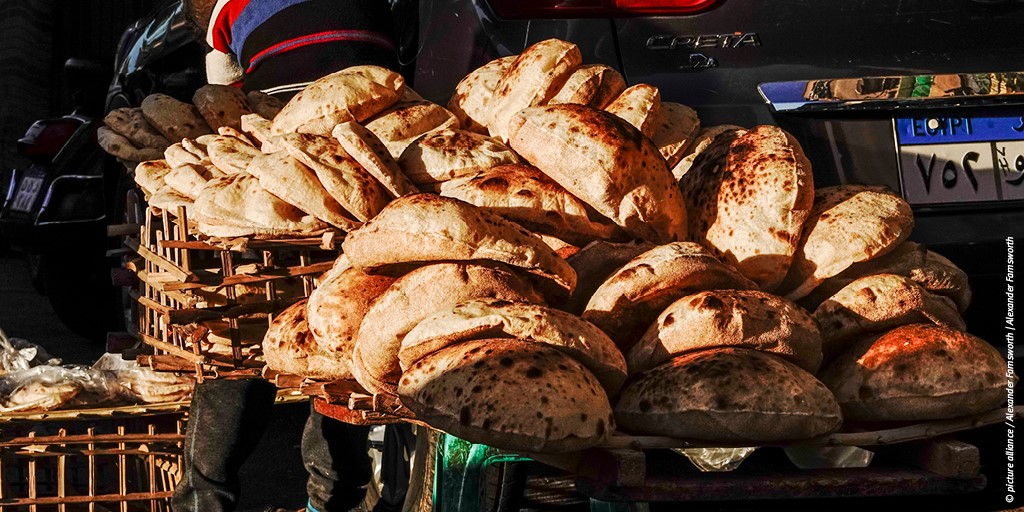
The war in Ukraine has sent shockwaves through global wheat markets, but the reverberations are most deeply felt in Kyiv, Lviv, and other cities across the country. Bread, a staple of Ukrainian cuisine and a symbol of daily life, has become a scarce commodity. Lines snake around bakeries as people scramble to purchase loaves, while prices have skyrocketed, leaving many families struggling to afford this once-ubiquitous item.
The bread shortage is not just an economic issue—it’s a human one. For Ukrainians, bread is more than sustenance; it’s a cultural pillar, a comfort in times of hardship. But the war has upended this reality. Russian forces have targeted agricultural infrastructure, including grain silos and farmland, disrupting one of the world’s most important wheat exporters. Ukraine typically supplies 12% of global wheat exports, but the conflict has slashed production by more than 50%. The loss extends beyond bread—it affects everything from pasta to livestock feed, sending prices spiraling worldwide.
In Kyiv, a city of three million people, the situation is dire. Many residents rely on state-subsidized bread to make ends meet. But with supplies dwindling and inflation raging, even this option is slipping away. “We used to eat bread every day,” said Anna, a mother of two, whose family now struggles to afford a single loaf. “Now it’s a luxury.”
The economic impact is staggering. Ukraine’s agricultural sector, which accounts for 10% of its GDP, has been decimated. Farmers face shortages of seeds, fertilizers, and machinery, while the cost of fuel has skyrocketed due to sanctions on Russian oil and gas. The government has implemented price controls to stabilize the market, but these measures have only partially mitigated the crisis.
The bread shortage is a microcosm of the broader humanitarian emergency unfolding in Ukraine. More than six million people remain internally displaced, and over four million have fled the country as refugees. The loss of life, displacement, and trauma are incalculable. But even for those who remain, the war has transformed daily life into a battle for survival.
Amidst this chaos, there are glimmers of hope. Local initiatives to support farmers, distribute food aid, and promote sustainable agriculture are gaining momentum. NGOs and international organizations have stepped in to fill the gap left by governments, providing seeds, fertilizers, and training to help Ukrainian farmers recover.
The global community must also do more to address the fallout from this war. The United States, European Union, and other nations have imposed sanctions on Russia, but these measures have only exacerbated food and energy prices worldwide. Meanwhile, wealthy countries are hoarding grain to protect their own interests, leaving poorer nations vulnerable to famine.
The bread shortage in Ukraine is a wake-up call for the world. It underscores the fragility of global supply chains, the dangers of over-reliance on monocrop farming, and the urgent need for sustainable agricultural practices. As climate change continues to disrupt food production, we must build systems that are resilient, equitable, and just.
For Ukrainians, the road ahead is long. But as they continue to endure unimaginable hardship, their resilience offers a lesson in humanity’s capacity for survival. The world must stand with them—not only in words, but in actions that address the root causes of this crisis and build a better future for all.
About the Author:
Maria Weber is Environmental Editor at our publication. Maria specializes in environmental journalism, with a focus on climate change and its impact on communities. Her work has led to policy changes and increased awareness of ecological issues.