Trauma and Hunger in Durban as Floods Expose Systemic Neglect.

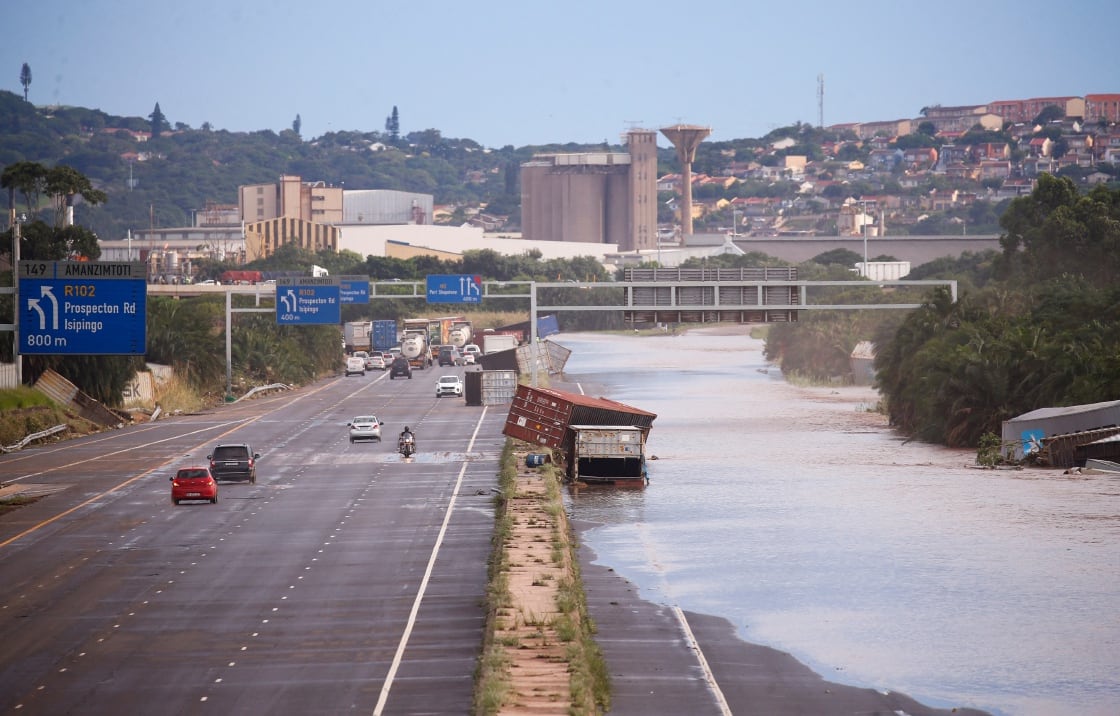
In the shadow of South Africa’s iconic Indian Ocean coastline lies Durban, a city where the promise of progress often collides with the harsh realities of inequality. For months, the city has been bracing for the annual summer rains, but this year, they came with ferocity.Torrential downpours in early January 2023 submerged streets, turned homes into floating debris, and left thousands displaced. The floodwaters exposed a deeper truth: behind the glossy veneer of South Africa’s economic hub lies a web of systemic neglect that has left its most vulnerable citizens drowning in more than just rainwater.
The Floods Unleashed
The first days of January brought scenes straight out of a disaster movie to Durban. Entire neighborhoods were turned into inland seas, with residents wading through waist-high water to rescue loved ones or salvage what little they could from their submerged homes. In informal settlements perched on the city’s hillsides, families huddled on rooftops, watching as their belongings—and sometimes their very livelihoods—floated away.
But these floods weren’t an act of nature; they were a testament to decades of neglect. Decaying infrastructure, inadequate drainage systems, and poorly planned urban expansion have left Durban’s poorest communities at the mercy of the elements. As one resident, a mother of three named Naledi Mncube, put it: “We’re not just dealing with water—we’re facing a man-made disaster.”
A System Built on Neglect
Durban’s flood crisis is the latest chapter in South Africa’s long-standing story of inequality. The city, like much of the country, bears the scars of apartheid-era planning, which left black communities isolated in poorly resourced areas. Even after 29 years of democracy, these disparities persist. Underinvestment in housing, healthcare, and public services has created a situation where natural disasters amplify existing inequalities.
The floods have also laid bare the harsh realities of food insecurity. With supply chains disrupted and markets flooded (literally), many residents face not just homelessness but hunger. “We haven’t eaten properly since this started,” said Sipho Dlamini, a father of four who lost his job as a day laborer when his neighborhood was declared unsafe following the floods. “The government promised help, but we’ve seen nothing.”
Faces of Resilience
Amidst the chaos, there are glimmers of hope. Grassroots organizations and community leaders have stepped in where the state has failed. The Durban People’s Federation, a coalition of local activists, has been working tirelessly to distribute food, clean water, and temporary shelters. “This is our city,” said Thandeka Mkwanazi, a community organizer. “We won’t let the government forget us.”
Ordinary citizens have also shown extraordinary courage. In informal settlements like KwaNdlambe, residents have formed ad hoc rescue teams, paddling through floodwaters to help their neighbors escape rising currents. “We’re not waiting for anyone,” said 23-year-old Thabo Ncube, who lost his home but found purpose in helping others. “This is our fight.”
Searching for Justice
The floods have reignited debates about governance and accountability. Critics argue that the disaster could have been mitigated with better planning and investment. Environmental experts point to decades of unchecked urban expansion, which has destroyed natural water retention areas and exacerbated flood risks.
For many in Durban’s flood-affected communities, the road to recovery is long—and justice seems even further away. “We’re not just asking for help,” said Mncube, the mother of three. “We’re demanding answers.”
Conclusion
As the waters recede and the cleanup begins, Durban stands at a crossroads. The floods have exposed the cracks in a system that has long ignored its most vulnerable citizens. But they’ve also revealed the resilience of those same communities—and their determination to rebuild not just their homes, but their futures.
In the weeks and months ahead, the people of Durban will continue to navigate a landscape shaped by systemic neglect. But as they rise from the ruins, they remind us that change is possible—provided those in power are willing to listen. For now, the city’s story is one of struggle, but it is also one of hope. And in that hope, there is strength.
About the Author:
Peter Freiberger is Investigative Reporter at our publication. Jamal is an investigative reporter with a focus on social justice and human rights. His work has exposed systemic inequalities in over 20 countries, earning him recognition for his courageous reporting.