The Fight for Abortion Pills Heats Up: A New Era of Repression

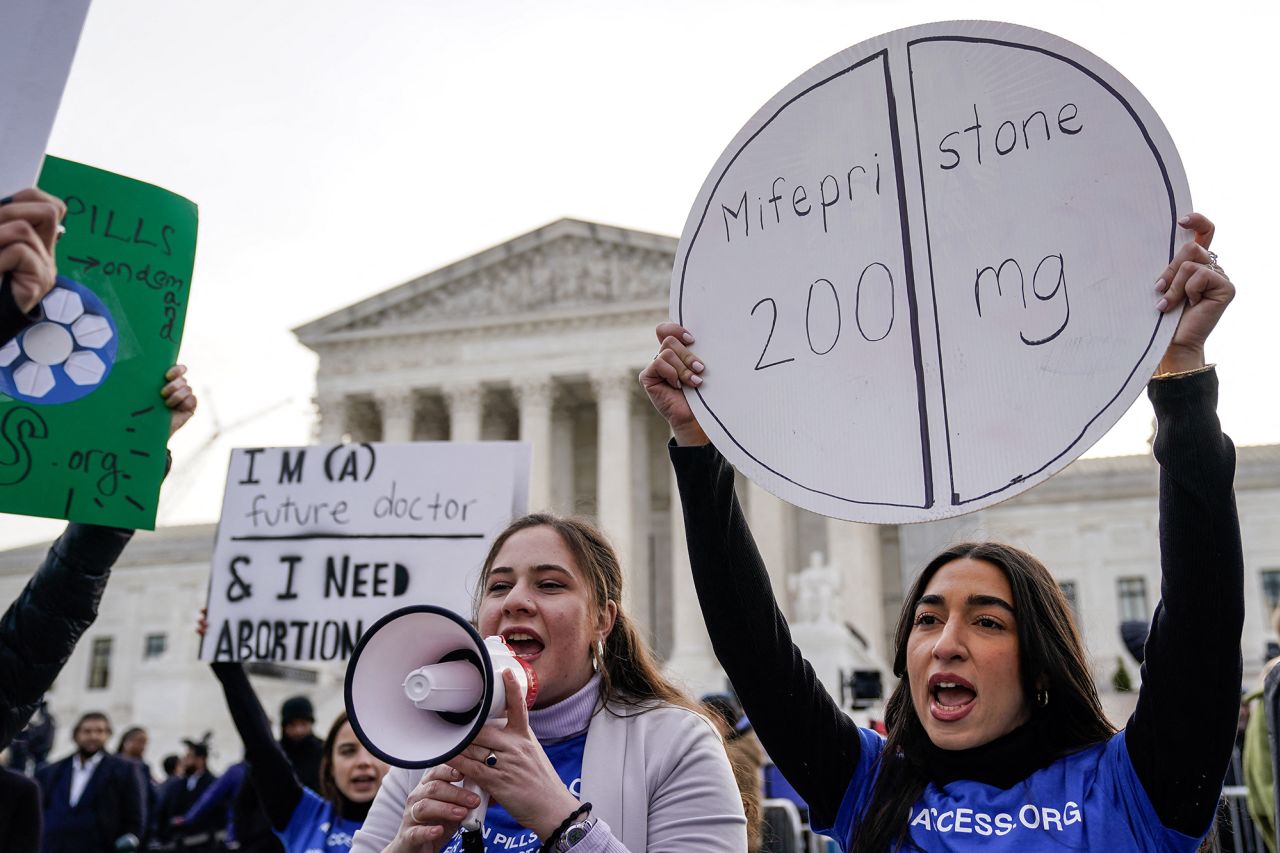
The Fight for Abortion Pills Heats Up: A New Era of Repression
In Mexico City, the air is thick with tension as activists gather outside the doors of a bustling hospital. Inside, doctors whisper about the recent ban on mifepristone, a critical component of abortion pills that has been used safely for decades. The news has sent shockwaves through the city’s reproductive rights movement, which has long fought to expand access to safe and legal abortions. But this isn’t just a local story—it’s part of a global wave of repression targeting women’s bodily autonomy, with abortion pills at the center of the storm.
Over the past year, governments across Latin America, Europe, and even parts of North America have introduced new restrictions on mifepristone, often under the guise of “protecting life” or “defending traditional values.” These moves are part of a broader backlash against women’s rights, with abortion access being one of the most visible battlegrounds. In Poland, where anti-abortion protests have become nearly routine, the government has moved to criminalize even discussions about abortion pills. In India, where access to abortion is legally protected but socially stigmatized, activists report increasing harassment and threats as they distribute information about safe abortion methods.
The global pharmaceutical industry, too, plays a role in this tightening of control. While mifepristone was first developed decades ago, its production remains concentrated in a handful of countries. This has led to monopolistic practices that limit access and inflate prices, making it harder for women in low-income countries to afford the pills. Meanwhile, governments in wealthier nations often fail to prioritize funding for reproductive health initiatives, leaving grassroots organizations to pick up the slack—and face the brunt of backlash.
In Latin America, where abortion is largely illegal but widely practiced, the situation is particularly dire. In Brazil, a surge in anti-abortion rhetoric has coincided with a rise in violence against women’s rights activists. Abortion pills remain one of the few options for women seeking to terminate pregnancies safely, and their criminalization sends a clear message: control over women’s bodies is being weaponized as a tool of repression.
But amidst this growing darkness, there are glimmers of hope. Grassroots movements, often led by young feminists, are pushing back with creative and bold tactics. In Argentina, activists have launched digital campaigns to share information about safe abortion methods, circumventing the legal barriers that block access to care. In Nigeria, where religious fundamentalism has fueled anti-abortion sentiment, advocates are working to build coalitions between health providers, lawyers, and community leaders to protect women’s rights.
The fight for abortion pills is not just about access to medication—it’s about who gets to decide what happens to their own body. It’s about the right to life, dignity, and freedom from fear. As governments around the world double down on repressive measures, the stakes couldn’t be higher. The next era of this battle will be fought not just in courts and legislatures, but in the streets, online, and in the hearts of those who refuse to accept that women’s bodies are anyone else’s business.
This is a fight for survival—and it’s one we cannot afford to lose.
About the Author:
Sophie Patel is Health and Economics Reporter at our publication. Sophia is an award-winning reporter focusing on economic inequality and global health. Her stories have illuminated the challenges faced by marginalized communities worldwide.