R. Kelly’s Sentence Reveals Abuse’s Cycle and Systemic Failures

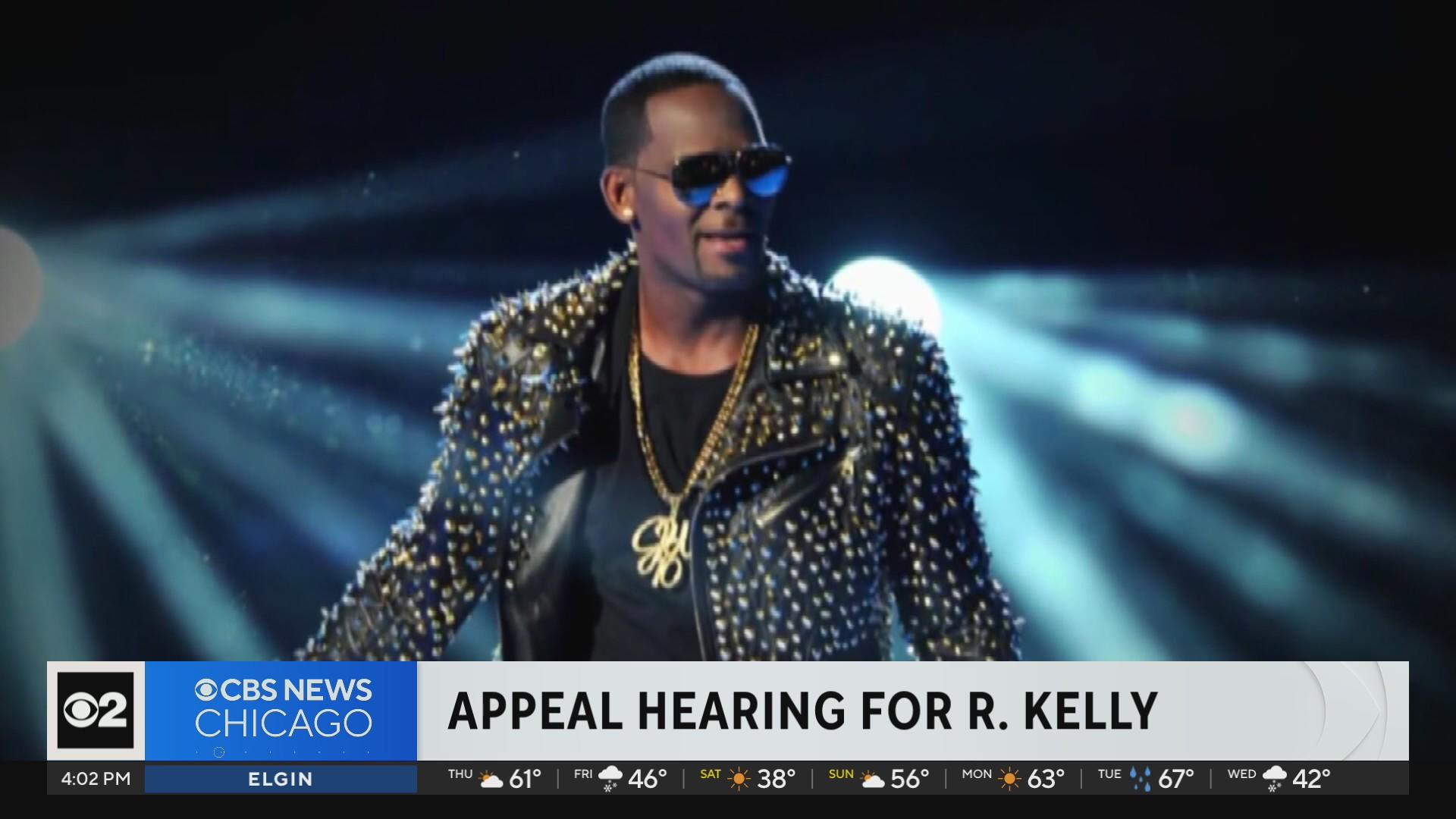
The courtroom was silent, save for the weight of history pressing down on every person present. As R. Kelly stood before the judge, convicted on multiple charges of sexual exploitation and abuse, it wasn’t just his personal accountability that hung in the balance—it was a reckoning decades in the making. The sentence handed down wasn’t merely about punishment; it was a rare moment of systemic acknowledgment, a fragile step toward justice for survivors.
Kelly’s case is not an aberration but a stark reflection of systems designed to devalue marginalized voices and protect those with power. Decade after decade, he used his influence—his platform, his wealth—to prey on vulnerable women and girls, many of whom were young and Black. His ability to manipulate legal loopholes and exploit cultural dynamics was not accidental; it was a symptom of a society that often prioritizes celebrity over truth, money over morality.
The music industry, which Kelly navigated with ease, bears significant responsibility for this cycle of abuse. Record labels turned a blind eye to the predatory behavior embedded in his “talent scouting” practices, while promoters and event organizers ignored red flags. The legal system, too, failed survivors time and again—cases were dropped, statutes of limitations expired, and perpetrators walked free. Media outlets, often complicit in amplifying Kelly’s influence, frequently downplayed accusations or dismissed them as mere tabloid fodder.
But this case isn’t just about R. Kelly. It’s a microcosm of the larger societal failures that allow abuse to thrive. Marginalized communities—women, girls, BIPOC individuals—are disproportionately impacted by such systems. The intersections of race and gender create compounded vulnerabilities, making it even harder for survivors to be believed or receive justice.
The outrage sparked by Kelly’s crimes is not just about him—it’s a symptom of a collective failure to protect the most vulnerable among us. Movements like #MeToo and #BlackGirlMagic have reshaped public consciousness, but there’s still so much work to be done. These hashtags are powerful, but they must translate into tangible change—stronger protections for survivors, better oversight of those in power, and a cultural shift that prioritizes human dignity over privilege.
As we reflect on Kelly’s sentence, let it serve as a reminder: justice isn’t just about one man—it’s about the systems that enable him. It’s about how we, as a society, choose to value lives, amplify voices, and hold power accountable. The road ahead is long, but progress begins with acknowledging the truth and committing to real change.
About the Author:
Maria Weber is Environmental Editor at our publication. Maria specializes in environmental journalism, with a focus on climate change and its impact on communities. Her work has led to policy changes and increased awareness of ecological issues.