AUKUS Submarines Echo Hidden Dangers in Pacific Peace?

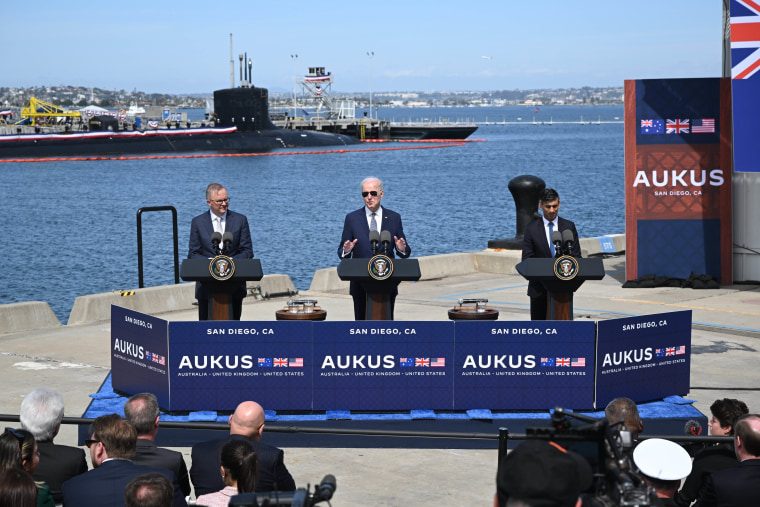
The Pacific Ocean, often seen as a vast expanse of blue stretching endlessly between continents, is not just a body of water. It’s a stage where nations jostle for power, resources, and influence. The recent announcement of the AUKUS alliance—a trilateral partnership between Australia, the United Kingdom, and the United States—to deploy advanced nuclear-powered submarines underlines a shift in military dynamics that could ripple across the region. But beneath the surface of this strategic move lies a web of complexities, many of which remain hidden from public view.
The Technological Might of AUKUS Submarines
The AUKUS submarines are more than just vessels; they represent cutting-edge technology and a significant escalation in military capabilities. These subs are designed to patrol the Indo-Pacific region, a strategic area where economic power and geopolitical tensions converge. While proponents argue that these submarines will deter aggression and maintain regional stability, critics warn of a new arms race.
The submarines’ advanced capabilities include stealth navigation, long endurance, and the ability to launch strikes without deploying aircraft carriers—making them a game-changer in naval warfare. Yet, this technological prowess comes with its own set of challenges.
The Hidden Dangers: Economic Inequality on the Brink
One of the less-discussed aspects of the AUKUS deal is its potential to exacerbate economic inequality within the region. Smaller nations, particularly those in Southeast Asia, may feel pressured to follow suit and invest in similar military technologies to protect their interests.
Imagine a scenario where countries like Indonesia or the Philippines face increased defense demands. The financial burden could divert resources from social programs—education, healthcare, infrastructure—to military spending. This shift would not only widen economic disparities but also strain already fragile social safety nets.
The economic implications are compounded by the fact that these submarines require rare earth minerals for their advanced systems. Countries with limited access to these resources may find themselves at a disadvantage, further entrenching global economic imbalances.
Environmental Costs: A Silent Crisis
The environmental impact of nuclear-powered submarines is another hidden danger. While these vessels produce no greenhouse gases during operation, the process of mining uranium and building nuclear reactors contributes significantly to carbon emissions. The life cycle of these submarines—from construction to decommissioning—poses a substantial environmental burden.
Moreover, the disposal of nuclear waste from decommissioned submarines remains a contentious issue. If not handled properly, it could contaminate marine ecosystems, affecting both biodiversity and the livelihoods of coastal communities that depend on fishing and tourism.
Political Fallout: Escalating Tensions
The AUKUS deal has already sparked criticism from China, which views the alliance as a direct threat to its influence in the region. This geopolitical tension is not just between nations; it trickles down to everyday life for people in affected areas. Imagine communities living near military bases grappling with increased security protocols and the constant presence of foreign vessels.
The fear is that this escalation could lead to unintended consequences, such as accidental conflicts or proxy wars. The Pacific may remain peaceful on the surface, but beneath lies a powder keg of political tensions.
A Call for Progressives
For progressives, the AUKUS submarines offer both a challenge and an opportunity. The challenge lies in addressing the hidden dangers without losing sight of global justice and environmental sustainability. The opportunity is to advocate for policies that prioritize diplomacy over military might and invest in equitable solutions that benefit all nations, not just a few.
In this context, Sophie Patel’s expertise would shine as she delves into the economic implications, environmental concerns, and social impacts of such initiatives. Her reporting could highlight the human stories behind these submarines—of communities displaced by resource extraction, workers toiling in defense industries, and families affected by rising military tensions.
Conclusion
The AUKUS submarines are more than a strategic move; they’re a reflection of our times—a world where technological advancement often comes at the cost of economic inequality and environmental degradation. As we navigate this complex landscape, it’s crucial to remember that true peace cannot be achieved through superior military technology alone. It requires addressing the root causes of conflict, fostering equitable development, and safeguarding our planet for future generations.
The Pacific may seem like a serene expanse, but its waters hold many secrets—secrets that remind us that progress must always be tempered with caution and compassion.
About the Author:
Sophie Patel is Health and Economics Reporter at our publication. Sophia is an award-winning reporter focusing on economic inequality and global health. Her stories have illuminated the challenges faced by marginalized communities worldwide.