Russia Revives Lunar Ambition After 47-Year Gap as Global Race Heats Up

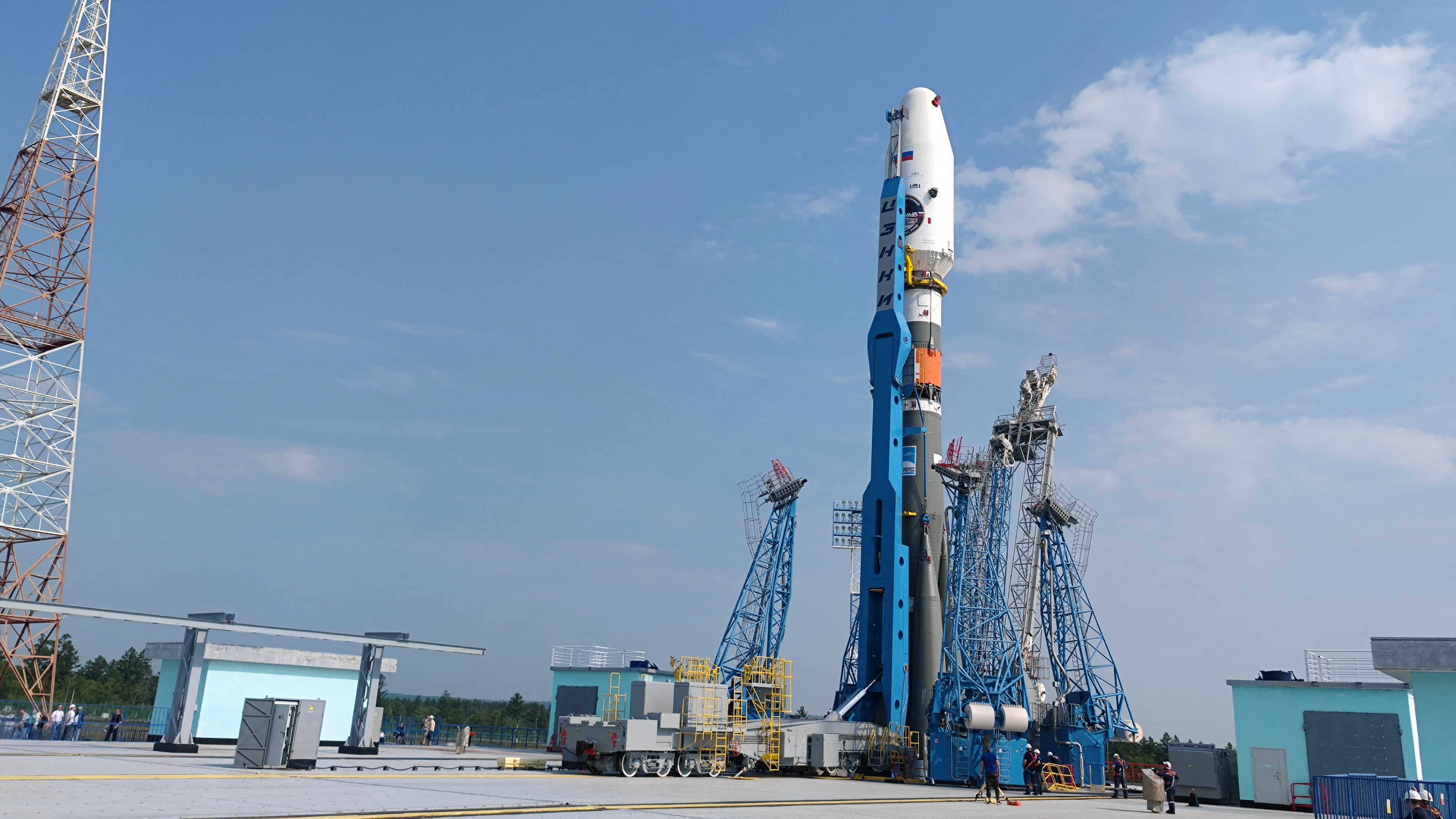
Reviving Lunar Ambitions: Russia’s New Race for Space and the Future of Sustainability
In the 1970s, Soviet Russia was at the forefront of space exploration, capturing the world’s imagination with historic achievements. The excitement was palpable as the nation pushed the boundaries of lunar missions, symbolizing its technological prowess on the global stage. Decades later, that spirit of discovery is rekindled with Russia announcing a new lunar program, aiming for a manned mission by 2030—a bold step in an intensifying global race.
This revival marks a significant shift, as Russia reenters the realm of space exploration after years of dormancy. The ambitious plans include a sophisticated spacecraft designed to carry four astronauts, reflecting advanced technological strides since the Cold War era. Yet, amidst this resurgence, challenges loom large. Political tensions with Western nations have curtailed potential collaborations, isolating Russia’s efforts and complicating its space ambitions.
Collaboration remains a double-edged sword. While partnerships with European countries were envisioned, strained relations hinder progress, underscoring the geopolitical complexities of modern space exploration. This dynamic highlights the broader implications of space as both a frontier for discovery and a theater for international rivalry.
The implications extend beyond borders into the realm of sustainability. As humanity ventures further into space, questions arise about responsible resource extraction and ethical practices. The Moon’s potential mineral wealth poses risks of exploitation akin to Earth’s colonial history. Extracting helium-3, a prospective energy source, could mirror past environmental exploitation, raising concerns about long-term consequences.
Sustainability in space exploration is not merely a technical challenge but an ethical imperative. It demands a shift from traditional extractive models to approaches that balance resource use with preservation. International cooperation becomes crucial here; global norms and agreements are needed to ensure space remains a realm of peaceful discovery rather than exploitation.
As Russia’s lunar ambitions take shape, the broader narrative reflects a tension between progress and peril. The race for space mirrors Earth’s struggles, where collaboration is essential to mitigate environmental harm. Drawing parallels with climate change efforts, space exploration requires visionary leadership and international unity to steer towards sustainability.
In conclusion, Russia’s renewed lunar mission serves as a reminder of humanity’s boundless potential but also underscores the delicate balance between ambition and responsibility. As we look to the stars, let us remember that the lessons learned from Earth—on collaboration, sustainability, and ethical resource management—will guide our ventures into space. The future of space exploration hinges on our collective commitment to these principles, ensuring that our journey beyond Earth charts a course toward a sustainable and peaceful tomorrow.
About the Author:
Maria Weber is Environmental Editor at our publication. Maria specializes in environmental journalism, with a focus on climate change and its impact on communities. Her work has led to policy changes and increased awareness of ecological issues.