Disaster in the Skies: Horse Breaks Free, Unveiling Hidden Exploitation in Animal Transport.

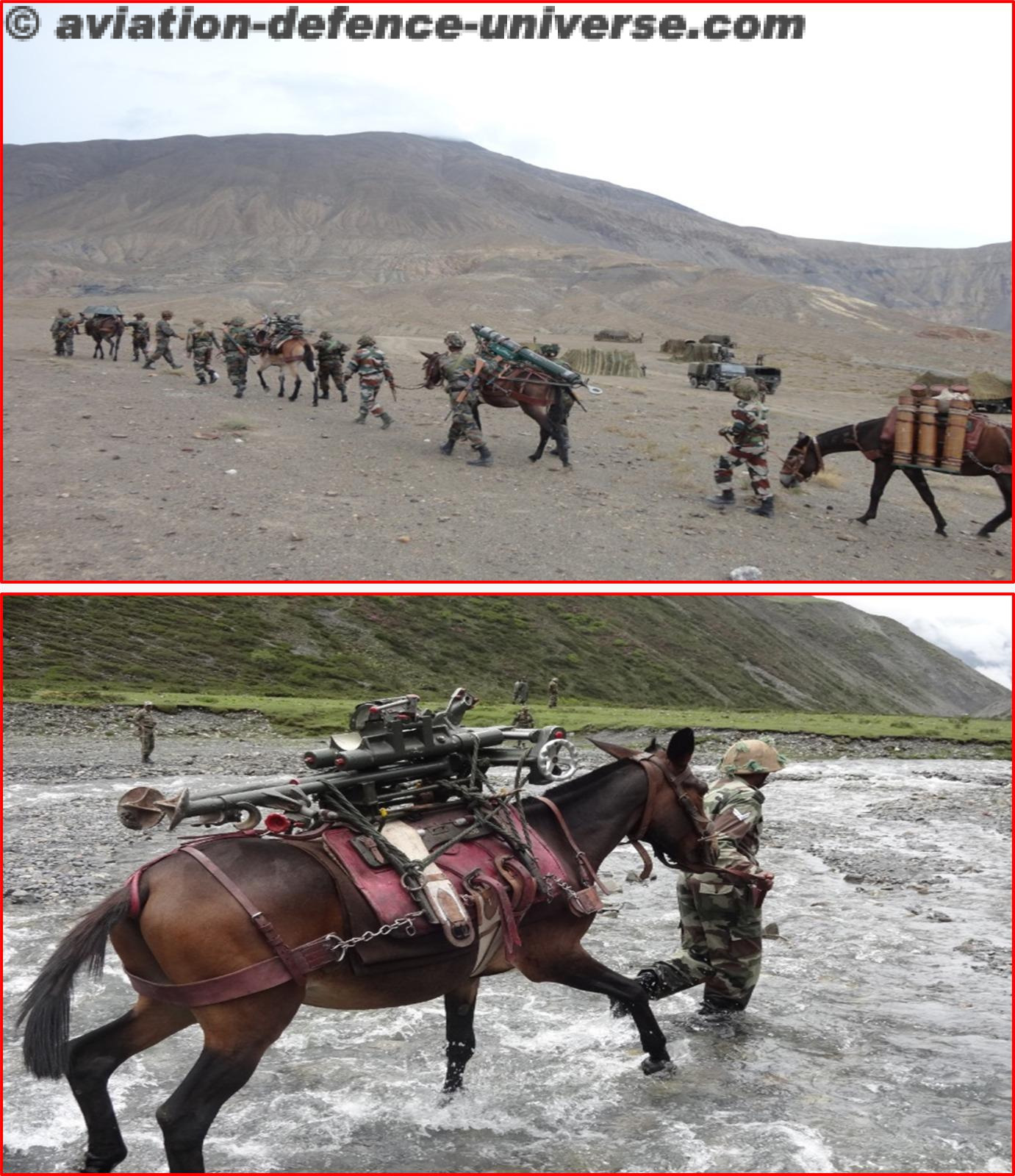
Averting Disaster: The Hidden Struggles of Animal Transport
In the quiet moments before dawn, a horse’s dramatic escape from a cargo plane painted an unforgettable scene over European skies. This incident, while rare, peeled back layers of exploitation and neglect embedded in the global animal transport industry. What unfolded was a story not just of a horse’s struggle but a deeper narrative of systemic inequality and ethical failure.
The horse, let’s call him Spirit, broke free from his bonds during a routine flight, illustrating the precarious conditions many animals endure. His escape wasn’t an isolated event; it mirrored countless unreported instances where animals face unimaginable stress, overcrowding, and inadequate care during transit. This industry thrives in the shadows, often invisible to the public eye.
Exploitation Unveiled
The transport of animals for slaughter or breeding is a lucrative yet brutal business. Investigative reports reveal that many animals are subjected to prolonged travel without sufficient food, water, or space. The journey from farms in developing countries to processing plants in wealthier nations often spans days, with little regard for their welfare.
Conditions inside these vehicles resemble nothing but mobile suffering chambers. The air is thick with stress and disease, while the fear of violence looms large. For many animals, especially those en route to live export markets, this journey is their last moments of life, a tragic beginning to a grim end.
Echoes of Human Migration
The parallels between animal transport and human migration are strikingly similar. Just as refugees face perilous journeys under harsh conditions, animals too endure their own form of forced migration. The dehumanizing treatment in both contexts reflects a broader societal failure to value life in all its forms.
In the same way that systems exploit human laborers for profit, animals are commodified and stripped of their inherent dignity. This intersectionality underscores the urgent need for ethical frameworks that protect both humans and animals from exploitation.
Technology’s Role in Exploitation
Advancements in technology have inadvertently enabled this exploitation rather than mitigating it. GPS tracking systems allow for real-time monitoring, yet they often serve to optimize routes for profit rather than prioritize animal welfare. Innovations in transport logistics focus on efficiency, not compassion, leaving animals at the mercy of a profit-driven system.
The industry’s reliance on technology highlights the gap between innovation and ethics. While we have tools to track every movement, ensuring humane treatment remains a distant ideal rather than a priority.
Grassroots Resistance
Amidst this gloomy landscape, hope emerges from grassroots efforts advocating for animal rights. Activists, veterinarians, and concerned citizens are pushing for systemic change, urging stricter regulations and ethical practices in animal transport.
These initiatives emphasize the importance of education and awareness. By illuminating the hidden suffering behind our food choices and consumer goods, they aim to inspire a shift towards compassion.
A Call for Change
The story of Spirit, the horse who broke free, is more than an isolated incident; it’s a wake-up call. It challenges us to confront the ethical blind spots in industries that profit from exploitation. As we navigate the complexities of modern life, embracing progress must mean rejecting systems that devalue life.
In this new era, where technology and globalization shape our world, let us champion a future defined by compassion and justice for all beings. The time is ripe for transformative change, where every voice, human and animal alike, is heard and valued.
About the Author:
Peter Freiberger is Investigative Reporter at our publication. Jamal is an investigative reporter with a focus on social justice and human rights. His work has exposed systemic inequalities in over 20 countries, earning him recognition for his courageous reporting.