Gaza Crisis: 100,000 Displaced Live in the Open

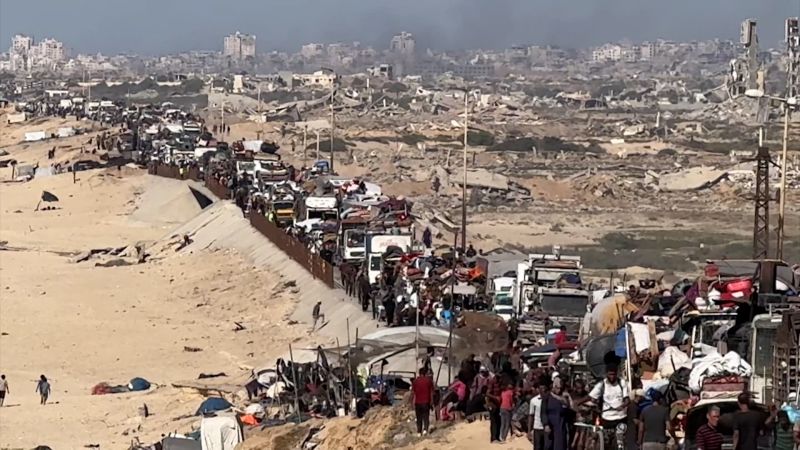
In the heart of Gaza, where the Mediterranean sun casts a harsh glow over the desolate landscape, 100,000 displaced people have been left to fend for themselves. Since the latest escalation in violence began, entire neighborhoods have been reduced to rubble, and families have been forced to flee their homes, seeking shelter wherever they can. For many, that means living under the open sky, huddled together inmakeshift camps with little protection from the elements or from the ever-present danger of further attacks.
The humanitarian crisis in Gaza is not new, but it has reached a boiling point. Years ofblockade, sanctions, and conflict have worn down the infrastructure of this small strip of land, leaving its 2 million residents—nearly half of whom are children—in dire straits. The recent surge in violence has only exacerbated the suffering, with hospitals overwhelmed, schools destroyed, and basic necessities like food and water becoming increasingly scarce.
Yet amidst this devastation lies a story not just of loss but of resilience and resistance. For years, Gaza has been a laboratory for digital activism, where grassroots movements have used technology to amplify their voices despite heavy censorship and internet restrictions. The crisis has forced these innovations into overdrive, as activists and organizations scramble to document the unfolding disaster, raise awareness, and coordinate aid efforts.
But it’s not just about survival; it’s about dignity. In the face of unimaginable hardship, Gazans are finding ways to hold onto their humanity. Women’s rights groups are working tirelessly to protect survivors of sexual violence, while local journalists risk their lives to report on the ground, often with limited resources and under constant threat of reprisal.
The international community has been slow to act, but the people of Gaza refuse to be forgotten. They continue to demand their right to live in peace, to have access to healthcare, education, and basic necessities, and to be recognized as human beings deserving of dignity and justice.
As the world watches—and often turns away—the crisis in Gaza is a stark reminder of what happens when political will fails to prioritize human lives. It’s a call to action for governments, corporations, and individuals alike to take meaningful steps toward ending the suffering of those caught in this unrelenting cycle of violence.
In the words of one displaced mother, who now sleeps under a thin piece of plastic with her children: “We are still here. We are still alive. And we will continue to fight for our rights until freedom is ours once more.”
About the Author:
Aisha Khan is Tech and Human Rights Correspondent at our publication. Aisha brings a unique perspective to tech and human rights, having worked at the intersection of technology and social justice. Her reporting highlights how digital advancements affect global populations.