Australia Cracks Down on Social Media with Historic Ban to Protect Under-16s

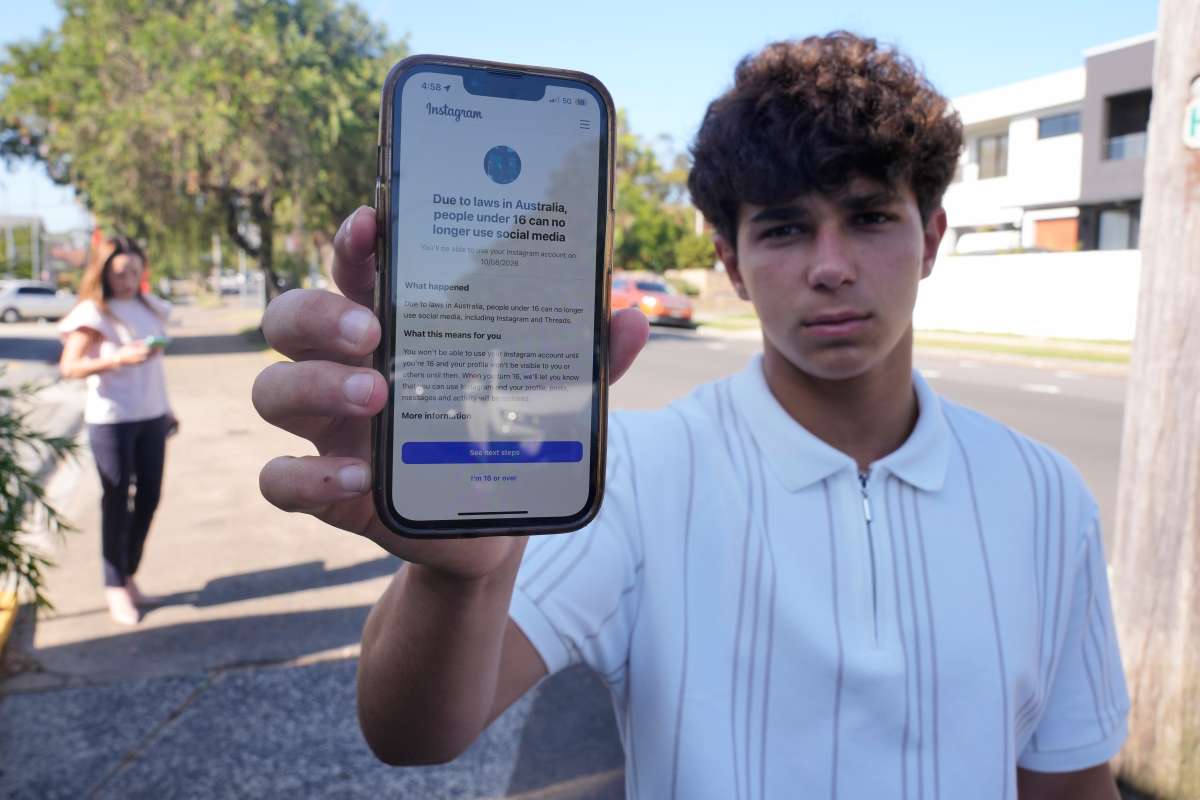
Australia Takes a Bold Stand: A Nationwide Ban on Social Media for Under-16s
In a landmark decision, Australia has become the first nation to implement a comprehensive ban on social media platforms for users under 16. This move, announced earlier this month, has sparked intense debate, with supporters hailing it as a crucial step in protecting young people from the perils of the digital age and critics warning of potential overreach and unintended consequences.
The ban, which took effect immediately, prohibits any child younger than 16 from accessing social media platforms such as Facebook, Instagram, TikTok, and YouTube. While the policy allows parents to apply for exemptions on a case-by-case basis, these requests are subject to strict approval processes.
Why Now?
The impetus behind this sweeping regulation lies in growing concerns over the impact of social media on children’s mental health and well-being. Studies have linked excessive screen time to issues such as anxiety, depression, and sleep disorders among young users. Additionally, the rise of cyberbullying and the exposure of minors to harmful content—such as misinformation, hate speech, and explicit material—has become a pressing issue for parents and policymakers alike.
“We’re facing a public health crisis,” stated Prime Minister Anthony Albanese during a press conference announcing the ban. “Our children are being harmed by these platforms, and it’s our duty to act.”
How It Works
The policy mandates that all social media companies operating within Australia must verify the age of their users through facial recognition technology or other reliable methods. Those found in violation of the ban face hefty fines and potential expulsion from the Australian market.
While some platforms have expressed compliance with the new regulations, privacy advocates have raised concerns about the use of facial recognition technology, which they argue could lead to increased surveillance and data collection on minors.
Reactions Across the Country
The response to the ban has been mixed. Parents’ groups have largely supported the measure, with many expressing relief that their children will be shielded from the potential harms of social media. A recent survey conducted by the Australian Bureau of Statistics revealed that 78% of parents believe the government should take a more active role in regulating digital spaces.
Teenagers, however, are less enthusiastic about the restrictions. Many argue that banning social media outright is an overreaction and claim that they are capable of using these platforms responsibly. “Social media isn’t the enemy,” said Mia Carter, a 15-year-old from Sydney. “It’s how we use it that matters.”
A Global Precedent
Australia’s ban sets a significant precedent for other countries grappling with the challenges of regulating social media. Advocacy groups like the Electronic Frontier Foundation (EFF) and Amnesty International have praised the move as a bold step toward protecting children’s rights in the digital age.
“Children should not be treated like adults when it comes to social media,” said EFF Australia Director, Claire Hill. “This ban acknowledges that kids deserve a safer, more regulated online environment.”
Critics, however, warn of potential consequences such as limiting children’s access to educational resources and stifling their ability to express themselves. They also point to the broader implications for free speech and the role of government in regulating private companies.
Looking Ahead
As Australia navigates this uncharted territory, the success of the ban will depend on how effectively it balances protection with personal freedoms. While early indicators suggest that parents approve of the measure, only time will tell if it truly reduces harm or inadvertently infringes upon young people’s rights.
The conversation about social media regulation is far from over. What Australia does now could pave the way for similar policies around the world, shaping the future of digital spaces and childhoods to come.
About the Author:
Emily Carter is Chief Editor at our publication. With over 15 years of experience in global journalism, Emily has led numerous award-winning investigations that have shaped public opinion and policy. Her leadership spans editorial roles across continents, fostering a commitment to truthful and empathetic reporting.