Hope Rises as Mpox Clinic Workers Report easing Infections and Hint at Systemic Change.

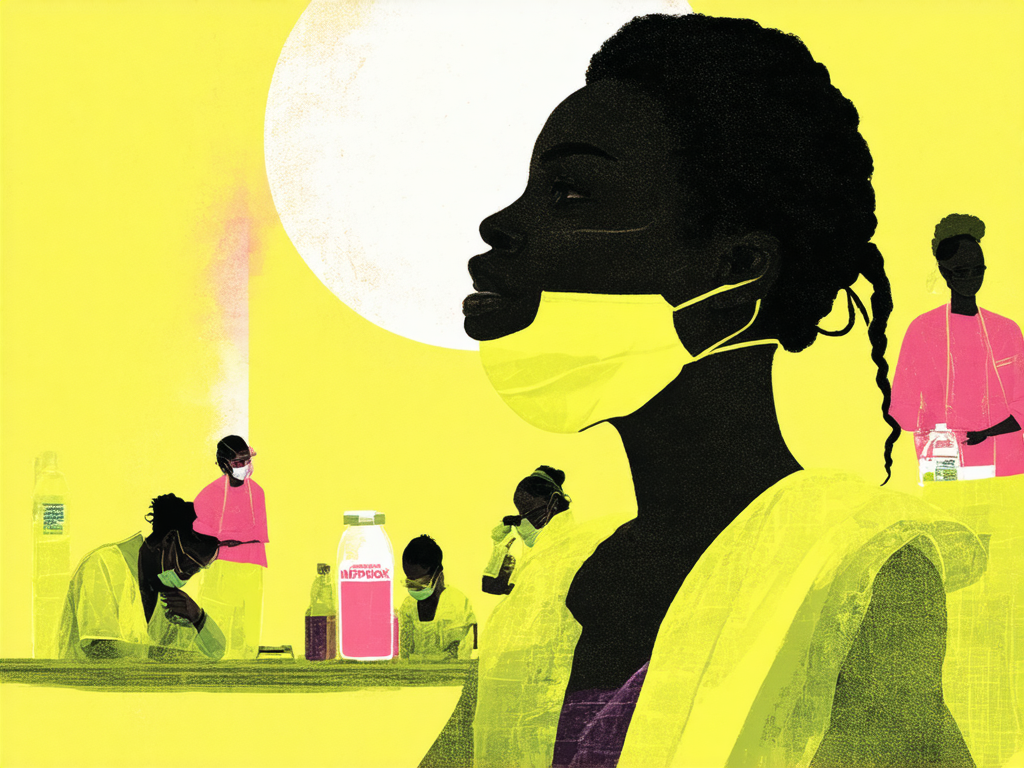
Hope Rises as Mpox Clinic Workers Report Easing Infections and Hint at Systemic Change
In the quiet corners of community clinics and urban health centers, a subtle yet significant shift is beginning to emerge. Mpox, once a shadow over public health systems and a source of widespread anxiety, is showing signs of retreat. Clinic workers—those on the frontlines of this invisible war—are cautiously optimistic, their observations hinting at more than just declining case numbers. They speak of a potential turning point, one that could reshape how we approach public health crises.
TheMpox outbreak, which swept across North America and Europe earlier this year, exposed vulnerabilities in healthcare infrastructure, testing capabilities, and communication strategies. But as infections have begun to ease in recent months, workers on the ground are noticing something more profound: a shift not just in numbers, but in attitudes. “We’re seeing people come in for testing earlier, more aware of how to protect themselves,” said Dr. Maria Gonzalez, a nurse practitioner at a busy urban clinic. “It’s like the community has woken up.”
This newfound vigilance is partly due to increased awareness campaigns and better access to information. But it also reflects broader changes in how public health officials are engaging with communities. In cities like Los Angeles and London, mobile testing units have been rolled out, bringing services directly to neighborhoods that were previously underserved. These efforts, though slow to implement, are paying dividends. “When people see that the system is willing to meet them where they are, it builds trust,” explained Jamal Patel, a public health worker in Toronto.
Yet, challenges remain. Mpox disproportionately affected marginalized communities, including LGBTQ+ individuals and people of color, who often face systemic barriers to healthcare. While infection rates are dropping overall, these disparities persist. “We can’t declare victory just yet,” warned Dr. Leila Zainabadi, an epidemiologist in New York City. “The virus doesn’t discriminate, but our systems do.”
What gives hope is the growing recognition of these inequities and a willingness to address them. In several regions, policymakers have announced plans to expand access to vaccines and treatments for underserved populations. Grassroots organizations are also playing a crucial role, organizing outreach programs and advocating for systemic change.
For clinic workers like Gonzalez, Patel, and Zainabadi, the road ahead is clear: continue pushing for policies that prioritize equity, transparency, and community engagement. “This isn’t just about Mpox,” said Gonzalez. “It’s about building a healthcare system that works for everyone.”
As the dust settles on this outbreak, the lessons learned are profound. The easing of infections is a victory, but it’s also a reminder of what can be achieved when communities, healthcare workers, and policymakers come together. The hope rising from these clinics isn’t just about the numbers—it’s about a new way of thinking, one that centers equity and collaboration in the face of crisis.
In this moment of cautious optimism, the words of Zainabadi resonate: “The fight against Mpox may be waning, but our commitment to systemic change must only grow stronger.”
About the Author:
Emily Carter is Chief Editor at our publication. With over 15 years of experience in global journalism, Emily has led numerous award-winning investigations that have shaped public opinion and policy. Her leadership spans editorial roles across continents, fostering a commitment to truthful and empathetic reporting.