Ant Smugglers Caught in Kenya’s Exotic Pet Trade Highlight Global Exploitation and Environmental Injustice

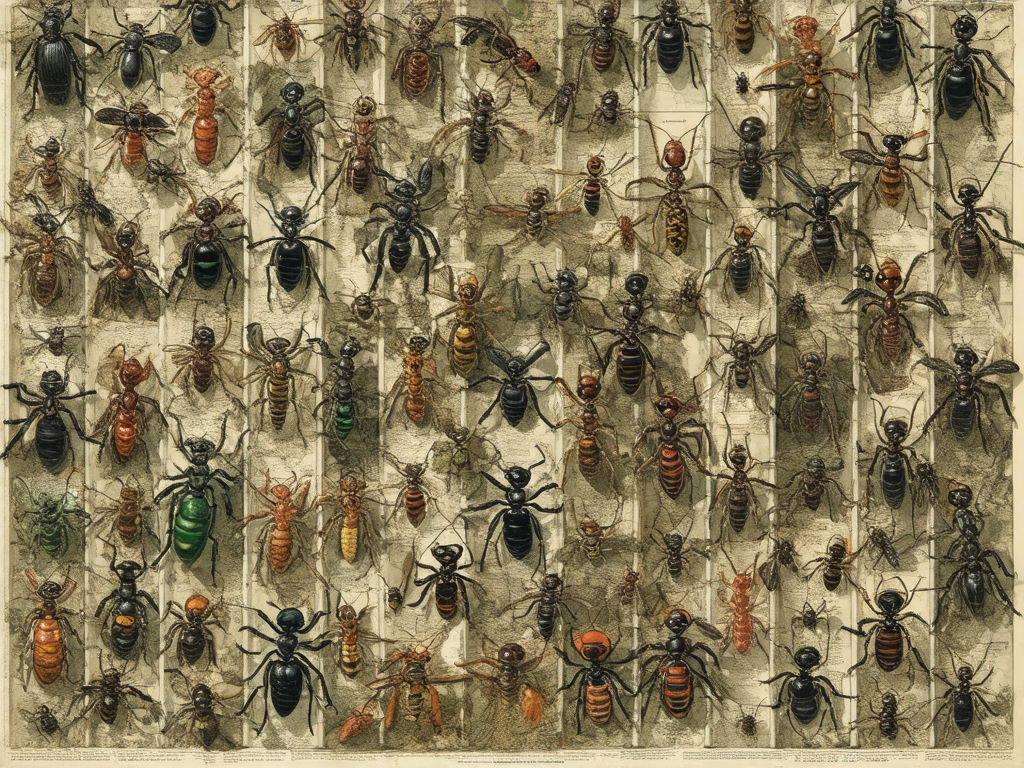
In the arid plains of Kenya’s northern frontier, where the horizon stretches endlessly under a sun-baked sky, a peculiar black market thrives. Ants—exotic species collected from the wild—are being smuggled across borders, sold as pets to collectors willing to pay top dollar for their unique charm. This trade, driven by global demand, has become a lucrative business, but it’s one that comes at a steep cost: environmental degradation, economic exploitation, and the eroding of local ecosystems.
The story begins in Maralal, a small town nestled among the thorn bush savannah of Tana River County. Here, locals have long relied on the land for sustenance and livelihoods. The region is home to some of Kenya’s most biodiverse landscapes, where ant colonies thrive in harmony with their surroundings. But in recent years, these tiny creatures have become a target for an underworld network that spans continents.
In 2022, Kenyan authorities uncovered a smuggling ring operating out of Maralal, arresting several individuals accused of illegally exporting queen ants to North America and Europe. These ants, prized for their size and genetic diversity, are sold as “exotic pets” to collectors who breed them for profit. The trade is lucrative: a single queen can fetch hundreds of dollars on the black market.
But the cost extends far beyond the price tag. The loss of these keystone species disrupts local ecosystems, affecting pollination and soil health. Ants play a critical role in aerating the soil and controlling pest populations, and their removal has already been linked to declining plant diversity in the region. “It’s like taking away a piece of the puzzle,” said Dr. Jane Mwangi, an ecologist at the University of Nairobi. “The impact is subtle but profound.”
For local communities, the exploitation runs deeper. Many residents rely on the land for farming and herding, but the influx of smugglers has created a new dynamic. Some are coerced into collecting ants under threat of violence, while others see their traditional livelihoods squeezed as wild spaces are converted into hunting grounds for these tiny creatures.
The trade also highlights the inequalities inherent in global markets. While Kenyan smugglers face harsh penalties—often years in prison—the collectors in North America and Europe who fuel this demand remain anonymous and untouched by law enforcement. “It’s a classic case of environmental injustice,” said Mugo Gatheri, a human rights advocate based in Nairobi. “The poor are left to bear the brunt while the wealthy profit.”
But there is hope for change. Grassroots organizations like the Tana River Conservation Initiative are working to raise awareness about the issue, advocating for stricter regulations and community-led conservation efforts. Their campaigns emphasize the need for ethical consumer behavior, encouraging collectors to invest in sustainable breeding practices rather than exploiting wild populations.
As the sun sets over Maralal, casting long shadows across the savannah, it’s clear that this fight is far from over. The ants may be small, but their story is a microcosm of the broader struggle for environmental justice—a reminder that even the tiniest lives are entwined with the fate of entire ecosystems and communities.
The trade in exotic pets is not just a conservation issue; it’s a human rights issue. It’s a call to action for all of us to recognize the interconnectedness of life on this planet and to demand a more equitable, sustainable future—one where no community is left behind, and no creature is exploited for profit.
About the Author:
Emily Carter is Chief Editor at our publication. With over 15 years of experience in global journalism, Emily has led numerous award-winning investigations that have shaped public opinion and policy. Her leadership spans editorial roles across continents, fostering a commitment to truthful and empathetic reporting.