Human Toll Evident as Drones Halt Airports, Origins Remain Unexplained.

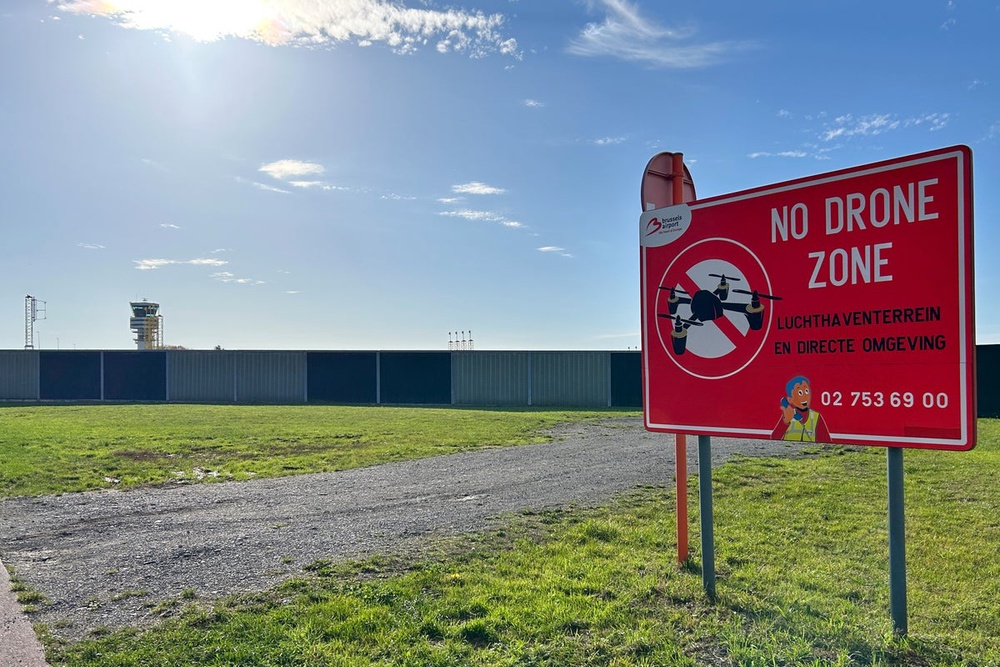
The Human Toll of Unexplained Drone Incidents: A Global Crisis in the Making
In recent weeks, a puzzling new phenomenon has disrupted life across several continents, leaving airports in disarray and communities fractured. The culprit? Mysterious drone sightings that have closed down major international hubs, stranding travelers and plunging local economies into chaos.
The human impact of these disruptions is profound. At bustling tourist destinations, such as Bali, the sudden halt in flights has left thousands of workers without livelihoods. Hotel staff, tour guides, and shop owners—many already grappling with economic uncertainty—are now facing an uncertain future. The ripple effect extends beyond the tourism sector, with local businesses reliant on air transport for supplies and communication bearing the brunt.
The broader economic implications are staggering. In regions where infrastructure is fragile and reliance on tourism is high, such disruptions exacerbate existing inequalities. For instance, in South Asia, where informal workers dominate the economy, job losses due to these drone incidents threaten to push many further into poverty. Meanwhile, the wealthy few can afford alternatives, deepening divides between classes.
Public frustration mounts as governments struggle to provide answers. In several countries, authorities have offered little clarity, fueling distrust and speculation. Theories abound—from political unrest to technological glitches—each with its own cadre of supporters. Experts caution against jumping to conclusions, emphasizing the need for thorough investigations while acknowledging the complexity of the situation.
Amidst the confusion, calls for transparency and accountability grow louder. Activists advocate for community-led inquiries to ensure that those affected have a voice in seeking justice. Progressive voices stress the importance of equitable solutions, urging governments to prioritize public welfare over political expediency.
As this enigmatic crisis unfolds, it serves as a stark reminder of our interconnected world. The unraveling of one system can send shockwaves across continents, disproportionately affecting vulnerable communities. In addressing this challenge, societies must commit to transparency and fairness, ensuring that the most marginalized are not left behind.
In the end, this story is not just about drones—it’s about accountability, trust, and the resilience of communities in the face of uncertainty. As we navigate this new era of global challenges, the lessons from these unexplained incidents will shape how we approach justice and equity in an increasingly complex world.
About the Author:
Sophie Patel is Health and Economics Reporter at our publication. Sophia is an award-winning reporter focusing on economic inequality and global health. Her stories have illuminated the challenges faced by marginalized communities worldwide.