South Africa declares gender violence a national disaster as 15 women lose their lives daily.

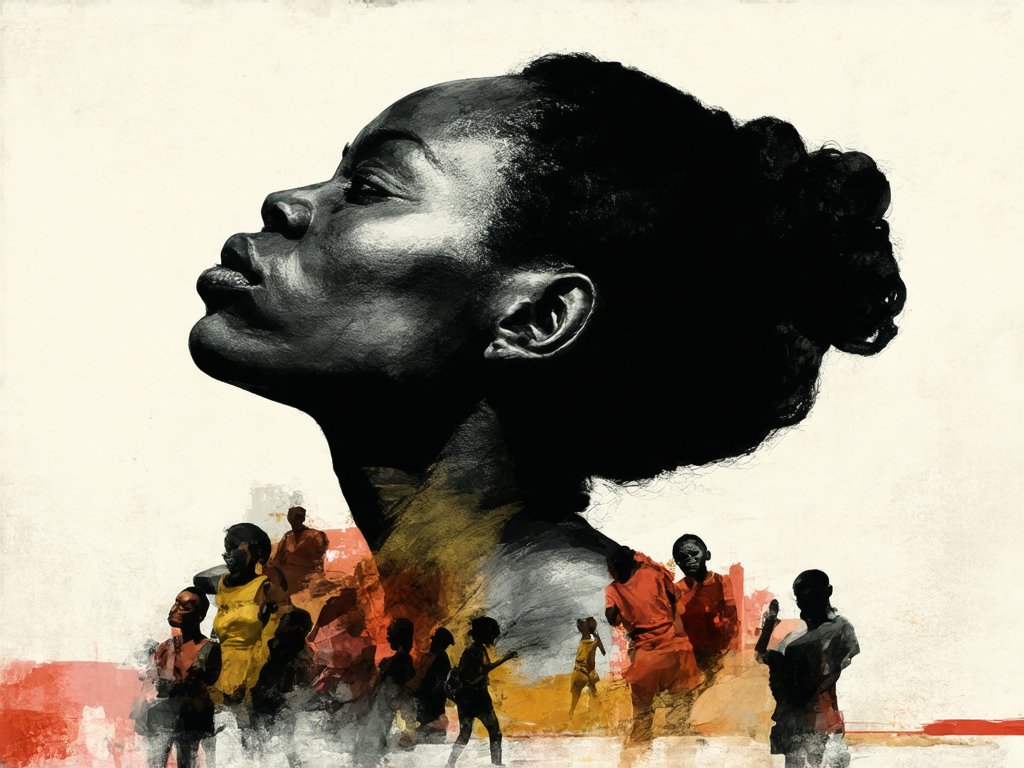
In a nation where the shadows of apartheid still linger, South Africa has once again found itself at a crossroads of moral and social responsibility. Earlier this year, the government declared gender-based violence and femicide a national disaster—a stark acknowledgment of a crisis that has been simmering for decades. Yet, as the declaration was made, another grim reality remained unspoken: every day, 15 women lose their lives to this invisible war.
The statistics are staggering, yet they feel all too familiar. Since 2019, South Africa has seen an alarming spike in gender-related violence, with some areas reporting a 300% increase in cases. This surge has sent shockwaves through communities, leaving many to wonder: how did we get here? And what does it mean for the future of this deeply divided nation?
The Daily Reality
On a quiet street in Soweto, 28-year-old Thandeka* goes about her life with a mixture of fear and determination. “I know my rights,” she says, her voice tinged with resolve. “But what good are rights if there’s no one to protect them?” Thandeka is one of thousands of women who navigate their days in the shadow of violence, whether at home, on public transport, or while walking to work.
Her story is not unique. Across South Africa, women face a harrowing reality: 76% report experiencing some form of gender-based violence in their lifetime. For many, this violence begins early. A recent study revealed that one in four girls under the age of 15 has been sexually assaulted. These numbers are not just statistics—they are lives cut short, hopes dashed, and futures stolen.
Why It Persists
The roots of South Africa’s gender violence crisis are deeply intertwined with its history of systemic inequality. Under apartheid, women were often rendered invisible by both the state and society. The legacy of this erasure continues to manifest in staggering levels of poverty, unemployment, and limited access to education and healthcare for women. These structural barriers make it harder for survivors to seek justice or rebuild their lives.
Cultural norms also play a role. In many communities, violence against women is seen as a private matter, shielded from public scrutiny. This silence allows perpetrators to operate with impunity, knowing that reporting abuse often leads to further trauma rather than resolution. “We need to change the narrative,” says activist Zola* who works tirelessly to support survivors. “Violence isn’t just a crime—it’s a failure of our collective humanity.”
The Government Response
In response to the growing outcry, the South African government has taken steps to address the crisis. New laws have been introduced, and task forces established to tackle gender-based violence. Yet, as many activists point out, words without action are meaningless. Underfunded police units and overburdened courts mean that most cases never reach a resolution. “We need more than policies,” says Zola. “We need resources, accountability, and a real commitment to protecting women’s lives.”
The government has also launched campaigns aimed at raising awareness about gender-based violence. These initiatives are a step in the right direction, but they risk becoming hollow if not paired with concrete measures to address the root causes of the problem.
The Fight for Justice
Amidst the despair, there is hope. Grassroots movements led by women and young people are beginning to reclaim the narrative. From social media campaigns to community-based initiatives, survivors are finding their voices and demanding change. “We are not victims,” says Thandeka. “We are warriors. And we will not be silenced.”
International solidarity has also played a role in amplifying these efforts. Advocacy groups and organizations worldwide have joined forces with local activists to push for stronger protections and greater accountability. This global focus on South Africa’s crisis underscores the importance of addressing gender-based violence as a universal issue—one that demands collective action.
A Call to Action
As South Africa grapples with this national disaster, the rest of the world must pay close attention. Gender-based violence is not just a South African problem—it is a global one. The lessons learned here could offer valuable insights for other countries struggling with similar challenges.
But for now, the focus remains on South Africa. As the nation moves forward, the declaration of gender-based violence as a national disaster serves as a stark reminder: true progress is measured not by how many laws we pass or how much money we spend, but by how many lives we save and how many futures we protect.
In the words of one activist, “Every life lost to violence is a failure of our society. But every life saved is a victory for humanity.” As South Africa confronts this dark chapter in its history, let us all commit to walking the path of justice—not just for those who have lost their lives, but for generations yet unborn.
About the Author:
Peter Freiberger is Investigative Reporter at our publication. Jamal is an investigative reporter with a focus on social justice and human rights. His work has exposed systemic inequalities in over 20 countries, earning him recognition for his courageous reporting.